


Link building is the process of acquiring hyperlinks from other websites to your own.
These links help search engines discover new pages and assess a site’s authority and relevance, making link building a crucial part of any SEO strategy.
There are two main approaches to link building in SEO: White Hat and Black Hat.
White hat link building follows search engine guidelines and focuses on earning links naturally through high-quality content, outreach, and value-driven relationships.
Many naturally earned backlinks are editorial links, where publishers voluntarily link to valuable content.
In contrast, black hat link building relies on deceptive link schemes to acquire links rapidly, often by exploiting loopholes in search algorithms.
Black hat tactics remain a controversial topic. While they can produce fast results in some cases, they come with significant risks, including search engine penalties, traffic loss, and reputational damage.
Despite these dangers, black hat methods are still used in highly competitive industries or by those seeking short-term gains.
This guide explores what black hat link building is, the tactics it includes, the risks involved, and why some marketers still choose to take this path.
What is black hat link building?
Black hat link building refers to acquiring backlinks through methods that violate Google’s Webmaster Guidelines. These strategies prioritize quantity over quality, aiming to manipulate search visibility rather than earning links through relevance or authority. For a white-hat alternative, see SERP Forge link building.
These practices are designed to artificially inflate a site’s authority or ranking in search results, rather than earning links through valuable or relevant content.
This can include buying backlinks, leveraging unnatural link networks like automated link farms, or inserting links through hacked sites. The primary goal is to manipulate search engines into perceiving the site as more authoritative than it is.
Interestingly, not all black hat tactics backfire right away. These approaches are designed to bypass search guidelines, tricking algorithms into thinking a site is more credible than it is.
That’s why using an SEO audit tool regularly is essential it helps identify toxic links before they harm your site’s credibility.
One Redditor shared their experience about starting SEO from scratch:
They had just launched a new site and were frustrated with how hard it was to get traction without any domain authority or backlinks. With limited options for earning links organically.
They wondered if using a few black-hat backlinks early on might help kickstart rankings, with the plan to shift to more reputable strategies later as the site gained momentum
This shows that black hat links don’t always trigger immediate penalties, especially on already authoritative domains.
But that doesn’t make them safe. Algorithms catch up eventually, and manual penalties are just one quality check away.
Looking to grow your site without risking penalties?
We don’t just follow the rules; we build future-proof strategies that protect your domain authority and rankings long term. Our link-building approach is safe, scalable, and aligned with Google’s quality standards.
Let’s build links that drive growth, not penalties. Get in touch to start building lasting authority the right way
Focus on manipulating search engine algorithms
These tactics target loopholes in search engine algorithms, especially those that rely on backlinks as a major ranking factor.
For example, Google’s algorithm still uses backlinks as a key trust signal, so black hat methods attempt to build large volumes of backlinks quickly, regardless of source credibility or relevance.
Fact: According to research, the mean purchase intention rating for brands using black hat techniques was 3.8 (on a 5-point scale), compared to 4.6 for ethical SEO, indicating a statistically significant negative impact.
Difference between black hat, white hat, and grey hat link building
| Type | Approach | Risk Level | Compliance with Guidelines |
| Black Hat | Manipulative tactics (e.g., PBNs, paid links, spam) | High | No |
| White Hat | Organic, ethical link earning (e.g., guest posts, digital PR) | Low | Yes |
| Grey Hat | Borderline strategies (e.g., link exchanges, low-quality guest posts) | Moderate | Sometimes |
Common black hat link-building techniques
Black hat link building relies on illegitimate link-building methods that violate search engine guidelines.
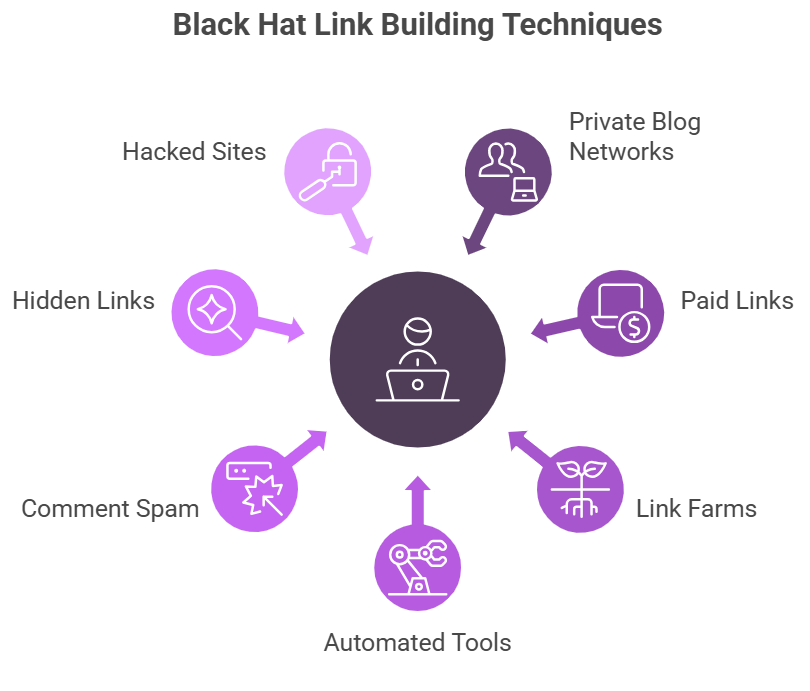
Below are some of the most commonly used black hat techniques and why they’re risky for long-term SEO performance.
a. Private Blog Networks (PBNs)
Private Blog Networks are collections of expired or repurposed domains with existing authority, owned by the same individual or group.
These sites are used to create backlinks to a target website to artificially boost its search rankings. The goal is to mimic natural link signals without actually earning them.
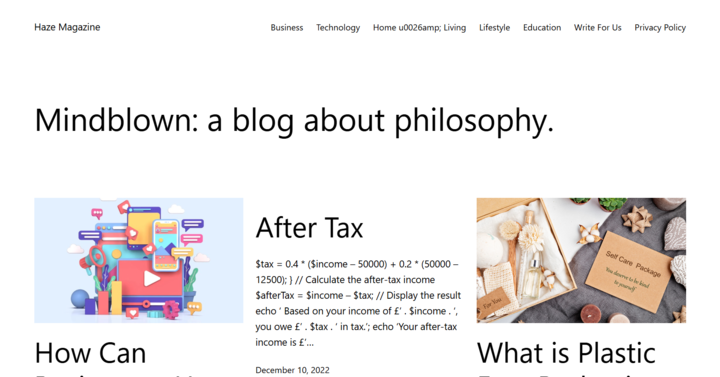
A website like Haze Magazine has been flagged by multiple SEO communities as part of a suspected PBN.
It links out to unrelated niches and exhibits typical signs such as minimal content updates, low traffic, outbound niche edit links to commercial sites, all red flags that Google looks for.
Google actively hunts down and deindexes PBNs. If a site is caught receiving links from one, it can face severe ranking drops or manual penalties.
Since PBN footprints are often easy to spot (same hosting, similar themes, or linking patterns), they’re a high-risk strategy.
b. Paid links
This tactic involves directly paying webmasters or link sellers to place backlinks on their sites.
These links are usually dofollow and designed to manipulate search visibility or inflate a site’s perceived authority in search results.
This video on YouTube breaks down how the paid link industry works behind the scenes, from outreach scripts to pricing and how sellers often promise “high-authority” backlinks with little real value. It highlights how easy it is to fall into this trap and why Google continues to crack down on such practices.
Link marketplaces, sponsored guest posts, and brokered backlink packages are all common sources of dofollow links.
While some may be disguised as legitimate collaborations, Google considers any paid link that artificially boosts ranking signals to be manipulative and penalizable.
c. Link farms
A link farm is a group of interconnected websites that all link to each other to inflate link metrics.
. If you’re unfamiliar with how these networks operate, check out our detailed guide on link farming.
These sites often contain low-quality or irrelevant content and exist purely to distribute backlinks.
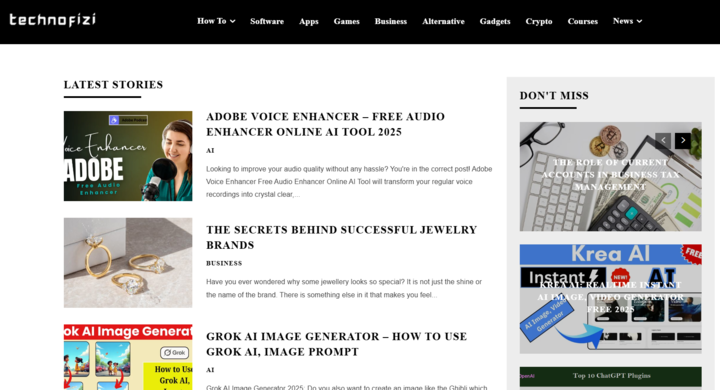
One such case is Technofizi, which has been flagged in various SEO forums for exhibiting characteristics of a link farm: excessive outbound links, thin content, and heavy cross-linking across unrelated topics.
Google’s algorithms can identify unnatural link patterns, such as an unusually high number of outbound links, irrelevant linking topics, or identical anchor text across multiple domains.
Once flagged, both the link farm and any site it links to can suffer penalties.
d. Automated link-building tools
These tools are designed to automatically build thousands of backlinks across forums, comment sections, directories, and other platforms at scale.
They generate bulk links with minimal oversight.
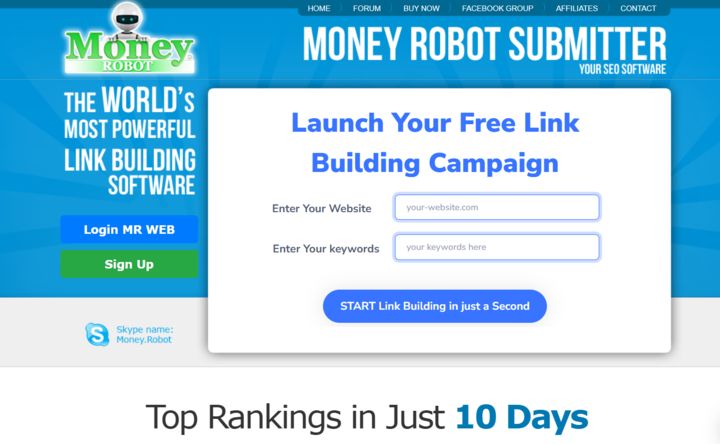
The widely known tool is Money Robot, which automates backlink creation across a network of sites.
While it’s marketed as an SEO booster, links built through such tools are often flagged as spammy by Google and can severely damage a site’s search visibility.
While automation might produce quick ranking spikes, it often results in spammy, low-quality links.
Search engines detect these unnatural spikes in link velocity and may issue algorithmic penalties that are difficult to recover from.
e. Comment spam & forum spamming
This involves dropping links in comment sections of blogs or forums, often with generic messages like “Great post!” followed by a link.
These links are rarely contextual or valuable to users.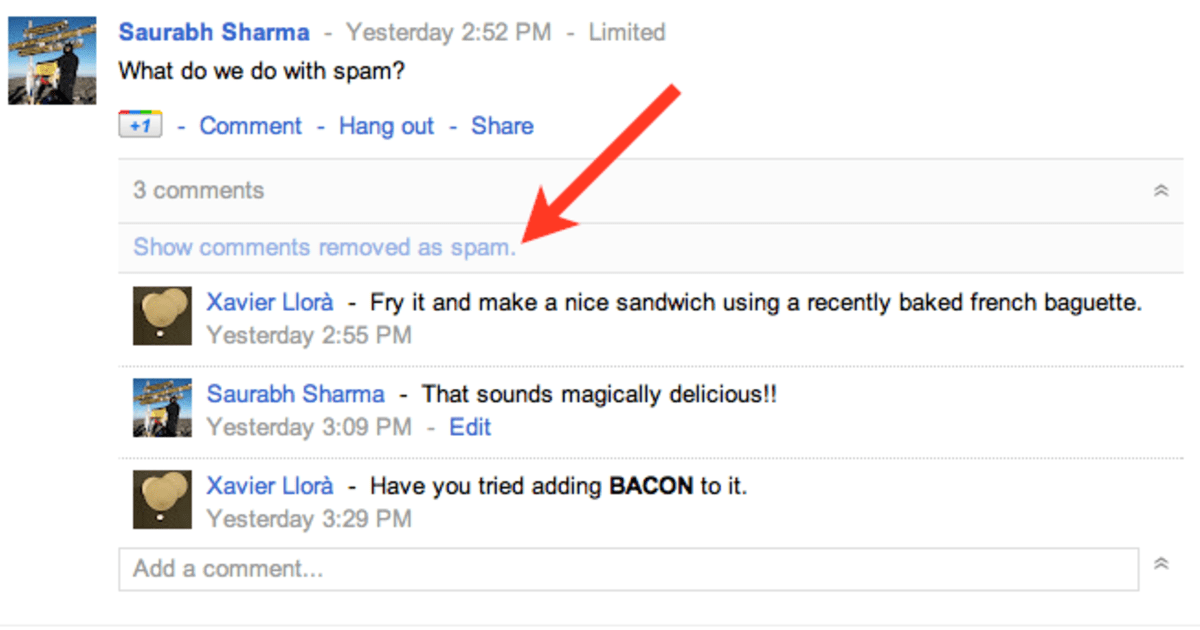
Source: NBC News
Reference: Google’s official stance on comment spam explains how these tactics are monitored and discouraged.
Google considers these tactics spam. Links from spammed forums or blogs are typically ignored or devalued, and excessive use can lead to broader site-level penalties for link manipulation.
f. Hidden links & cloaking
Hidden links are placed in a webpage using tactics like white text on a white background, 0px font size, or placing them behind images.
Cloaking involves showing different content to search engines and users.
These methods aim to trick Googlebot into indexing backlinks that users don’t see.
They are a direct violation of Google’s guidelines and can lead to immediate penalties or complete removal from search results.
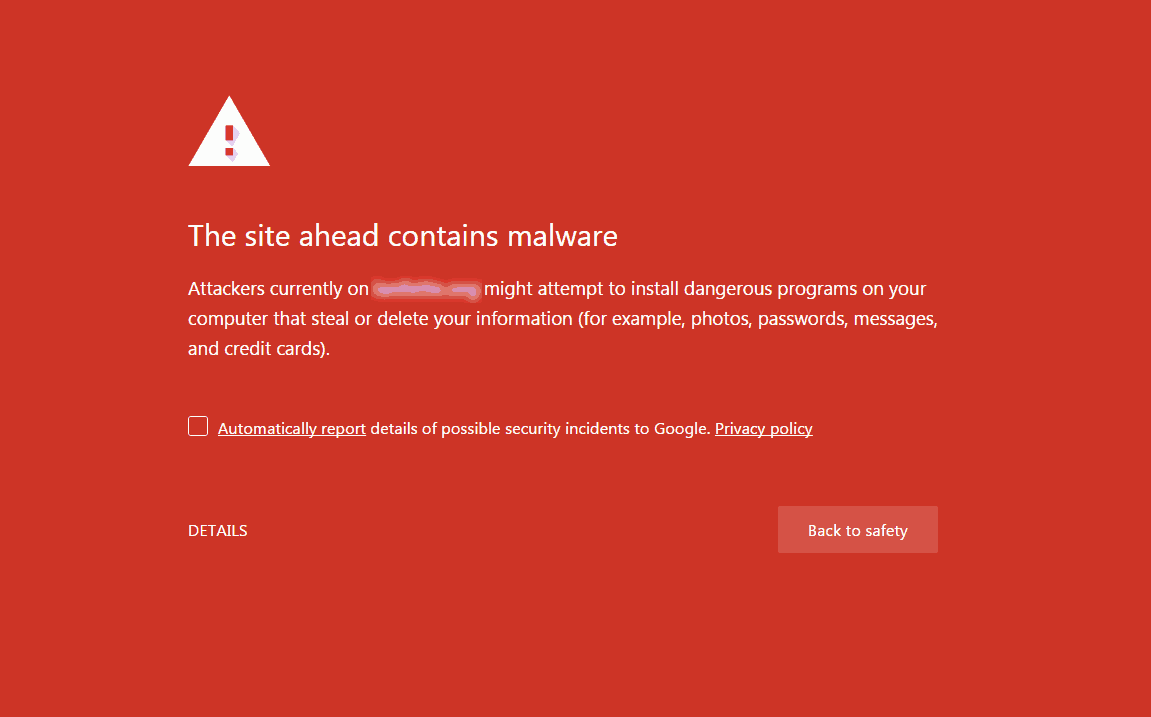
g. Hacked sites & injected links
Hackers often exploit security flaws in websites to insert backlinks into their code, usually in footers, headers, or hidden pages.
The intent is to pass link equity from compromised high-authority sites.
Aside from being unethical, this tactic crosses into illegal activity. Google often blacklists hacked sites and those benefiting from such backlinks.
Source: Astra
Recovering from these penalties can be complex and damaging to a site’s reputation.
Tempted by shortcuts? Don’t risk your rankings.
Black hat tactics might seem like a quick fix, but they come with long-term consequences. We focus on building strong, ethical links that strengthen your SEO over time no loopholes, no risks.
Let’s talk about a smarter, safer link strategy that lasts.
How to identify black hat links
You may notice early signs through a drop in rankings or manual actions. But instead of waiting for trouble, it’s smarter to stay proactive.
Here’s how to spot shady backlinks before they damage your site’s SEO.
Watch out for manual actions
If Google spots black hat links pointing to your site, you might get hit with a manual action. These aren’t algorithm-based; they’re enforced by real people at Google who flag manipulative behavior.
Even if you’re focused on manual link building, it’s important to ensure the links are acquired ethically and align with Google’s guidelines. Any attempt to manipulate rankings, even through manual efforts like paid placements or spammy outreach, can still trigger penalties.
Manual actions in Google Search Console (GSC)
Head to Google Search Console > Manual Actions. If it says:
“No issues detected” – your site is in good standing.
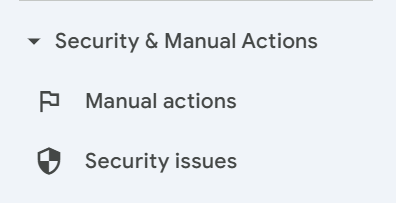
If not, you’ll see a notification detailing the issue, affected pages, and what to fix.

⚠️ Pro Tip: Google often tells you exactly what’s wrong and which links or pages are the problem. Clean them up, then request a review directly in GSC. Recovery can take a few days to a few weeks.
Audit regularly
Whether or not you’ve been penalized, regular audits are a must, especially if:
- You’ve bought links in the past
- You’ve hired third-party link builders
- You operate in a competitive niche where rivals could sabotage your backlink profile
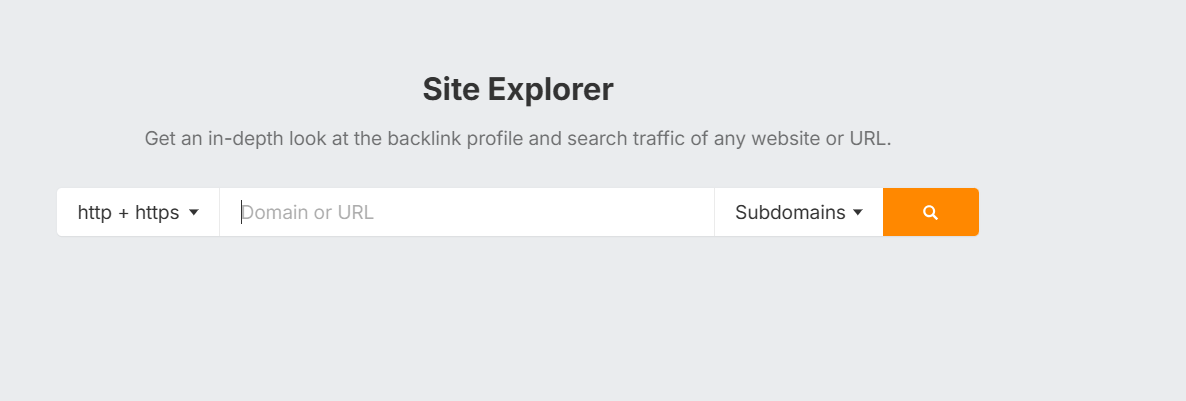
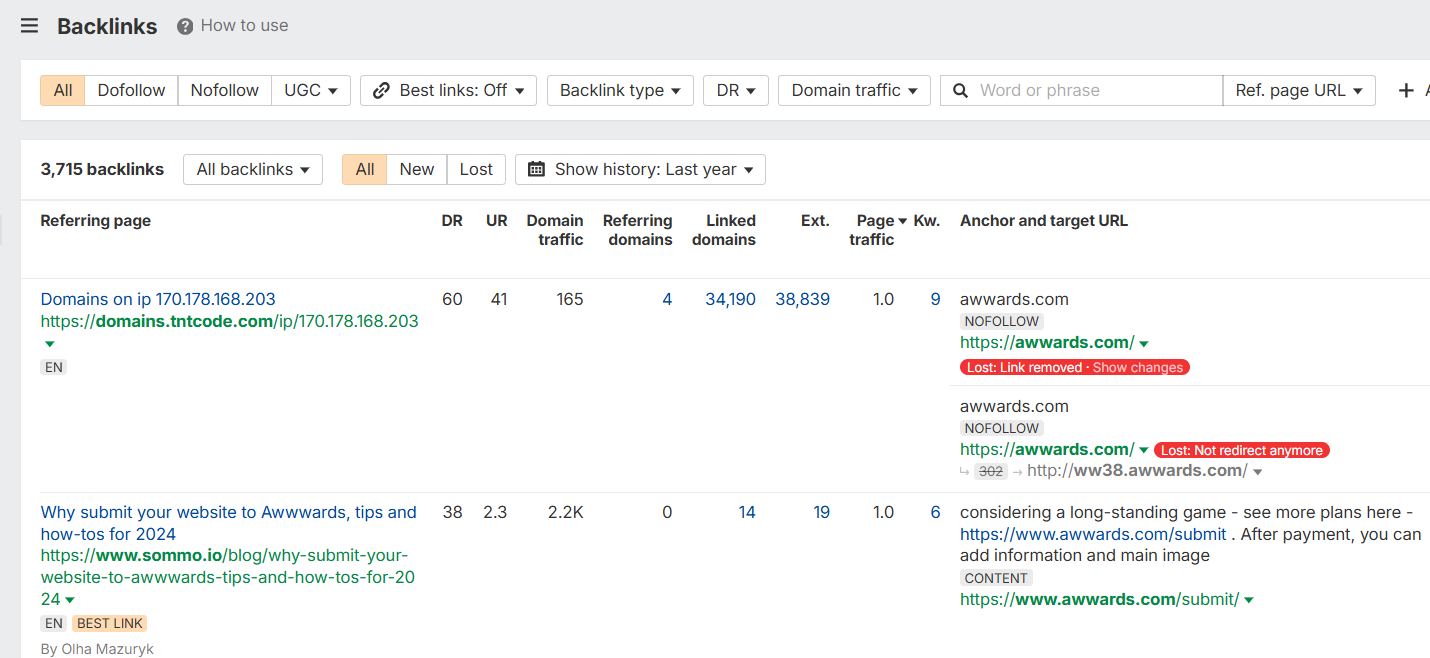
Use tools like Ahrefs to run backlink audits. Here’s how:
1. Log in to Ahrefs
Go to Ahrefs Site Explorer and enter your website URL.
2. Navigate to “Backlink Profile” > “Backlinks”
This section shows all incoming links to your site, including anchor text, referring pages, and link types.
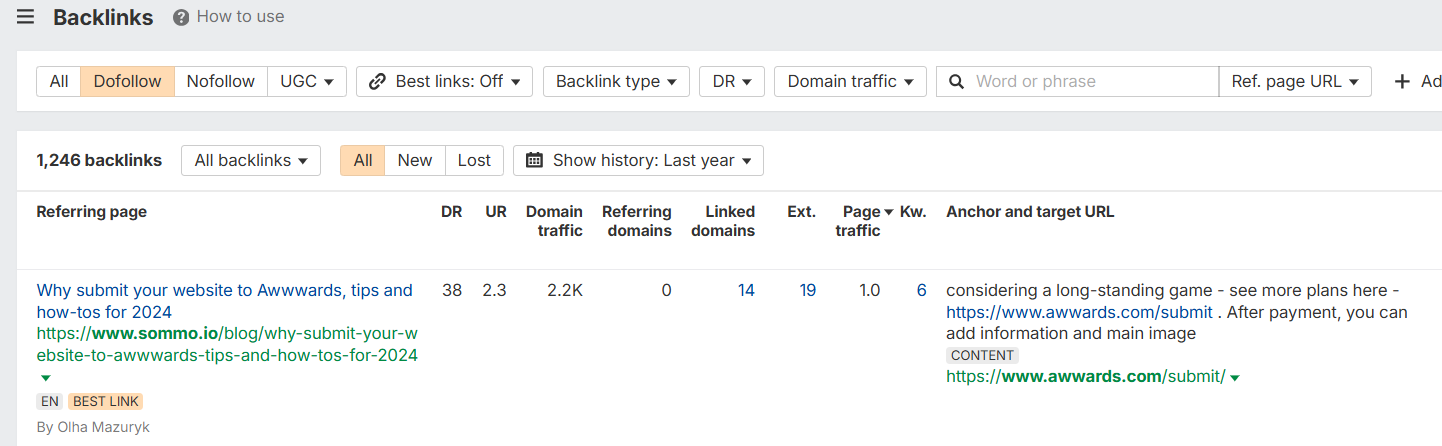
3. Filter by “Dofollow”
This helps you quickly spot toxic or suspicious links from low-authority domains.
4. Use the “Spam Score” or manually review
Look for unnatural anchor text, foreign language sites, and irrelevant domains. Watch for sudden spikes in link velocity.
5. Export and review
Download your backlink list, mark the ones that appear to be part of search manipulation strategies, and prepare to disavow or contact webmasters if necessary.
💡 No paid tool? No problem.
Google Search Console offers basic (but helpful) insights into who’s linking to you. Go to Links > Top linking sites to start your review.
Know the signs of black hat links
If you’ve read the section on common black hat techniques, you’ll know what to look for. Here’s a link building checklist to help you spot suspicious backlinks:
- Weird link velocity or patterns: A sudden spike in backlinks, especially from unrelated or low-quality sites.
- Low-quality site content: If the linking site looks spammy or irrelevant, that’s a red flag.
- No contact or ownership info: Sites with anonymous ownership can be risky.
- Deceptive or spammy anchor text: Includes exact-match keywords, foreign languages, or NSFW text.
- Suspicious link networks: unnatural link schemes like PBNs, toxic domains, or sites overloaded with outbound links but lacking meaningful traffic. If these links point to your website, you may need to disavow backlinks to reduce their impact.
- Invisible or hidden links: Embedded in white text, image alt text, or the site’s source code.
Use Google’s Disavow Tool
For links you can’t remove manually, use Google’s Disavow Links Tool.
Here’s how:
- Create a .txt file listing the domains or URLs you want Google to ignore.
- Upload it via GSC to let Google know not to count those links against your site.
Conclusion
Black hat link building might offer quick wins, but the risks far outweigh the benefits. One misstep can lead to search penalties, lost traffic, and lasting damage to your site’s authority.
With search engines constantly updating their algorithms, deceptive link schemes are no longer a shortcut; they’re a liability.
For businesses aiming to build and maintain long-term visibility, the solution is clear: invest in sustainable SEO. That means prioritizing earned links, white-hat strategies, and link-building methods that align with search engine quality guidelines.
We don’t cut corners with black hat tactics. We specialize in safe, scalable, and future-proof link building that supports your site’s organic growth and long-term search visibility.
Let’s build links that last. Contact us to start your journey with ethical, high-authority backlinks that protect and grow your rankings long term.
FAQ about Black Hat Link Building
Is black hat SEO illegal?
Black hat SEO is not illegal in the sense of breaking the law, but it violates search engine guidelines, especially Google’s. These practices are considered unethical and can lead to severe penalties, such as deindexing or drastic drops in search rankings.
Can I use black hat SEO and not get caught?
Some sites may avoid detection for a short time, but search engines are constantly updating their algorithms to identify and penalize manipulative practices. Eventually, most black hat tactics are uncovered, resulting in long-term damage that outweighs any temporary gains.
How long does it take to recover from a penalty?
Recovery time depends on the severity of the penalty and the steps taken to fix the issue. Manual actions may take weeks or months to lift after a reconsideration request, while algorithmic penalties can require a complete clean-up and ongoing improvements before rankings start to recover.
What are the signs that my site was penalized?
Common signs include a sudden drop in rankings or organic traffic, disappearing from search results, notifications in Google Search Console, or backlinks being flagged as unnatural. A detailed site audit can help confirm whether a penalty has occurred.