



The top-ranking page on Google has an average of 3.8 times more backlinks than pages ranking in positions 2–10, highlighting the impact backlinks can have on search visibility.
Link building remains one of the most valuable SEO strategies for improving visibility, authority, and organic growth. Imagine two websites publishing equally helpful content on the same topic.
One earns mentions and backlinks from respected industry websites, while the other receives no external references.
The benefits of link building extend beyond search performance. Backlinks can drive referral traffic, strengthen topical authority, improve brand awareness through brand mentions, and support lead generation efforts.
In this guide, we’ll explore the key link-building benefits and how they contribute to long-term SEO and business growth.
What Are the Main Benefits of Link Building?
After building links across different SEO projects, we noticed the biggest wins weren’t just higher rankings. The right backlinks helped our pages attract more qualified traffic, earn trust faster, and compete for keywords that previously seemed out of reach.
Here are the biggest benefits we consistently experienced after building quality backlinks:
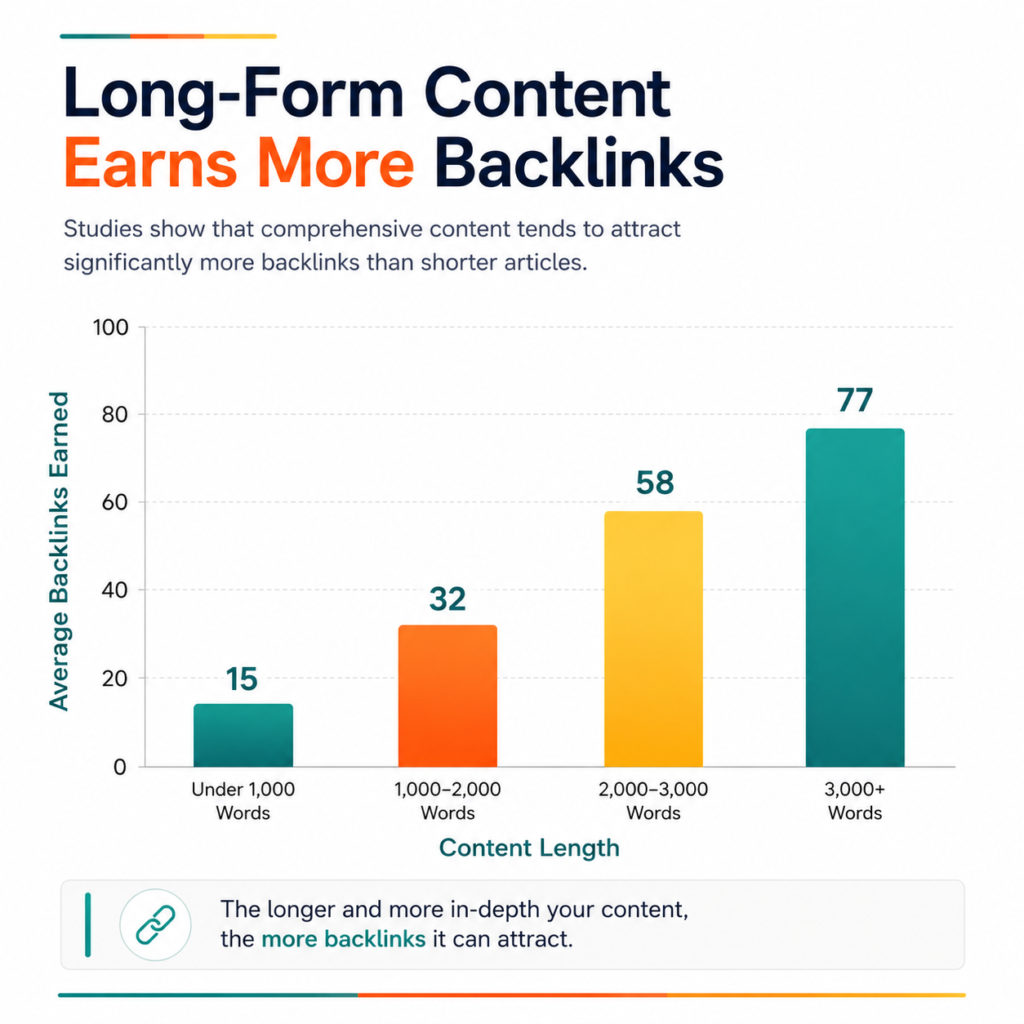
Below are the top benefits of link building:
1. Improves Search Engine Rankings
One of the first improvements we noticed after earning backlinks from relevant industry websites was a steady increase in keyword rankings. Pages that were stuck on the second or third page of Google gradually started moving into the top results because quality backlinks passed link equity and reinforced topical relevance.
What improved for us:
- More keywords entered the top 10
- Existing rankings became more stable
- Pages ranked for additional related queries
- Visibility increased across important landing pages
Example:
After earning backlinks from SaaS blogs and business publications, one CRM-related page started competing for keywords that previously showed little ranking improvement.
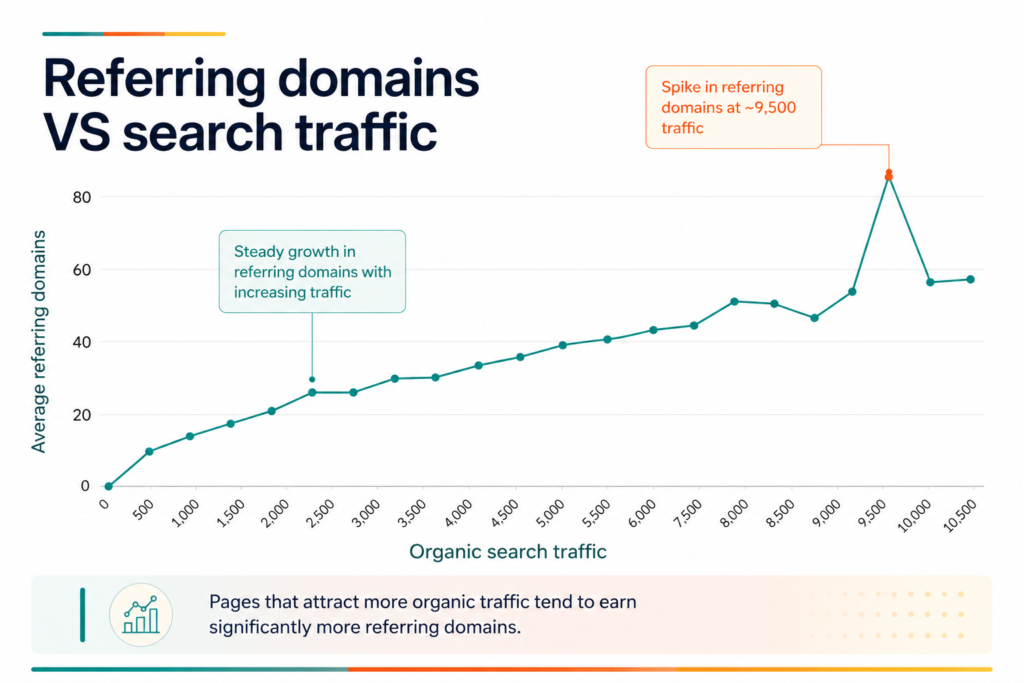
14 billion webpages and found that 96.55% of them get no traffic from Google; backlinks are one of Google’s top three ranking factors, and there’s a clear correlation between the number of websites linking to a page and its traffic.
2. Increases Organic Traffic
Better rankings naturally led to one of the biggest benefits, more organic traffic. Instead of relying heavily on paid campaigns, we saw qualified visitors arriving through search because more pages became visible for relevant keywords.
What improved for us:
- Higher search visibility
- More qualified visitors
- Growth across multiple landing pages
- Reduced dependence on paid traffic
Example:
One guide moved from the second page to the first page after earning quality backlinks, resulting in a noticeable increase in monthly organic traffic without changing the content itself.
3. Builds Website Authority
As we continued earning editorial backlinks from trusted websites, publishing new content became much easier. New pages started gaining visibility faster because search engines recognized the website as a more reliable source within the niche.
What improved for us:
- Faster ranking for new content
- Greater credibility within our niche
- Better performance for competitive keywords
- Stronger overall website authority
Example:
After earning backlinks from respected technology publications, our cybersecurity content began competing more effectively against larger websites with established authority.
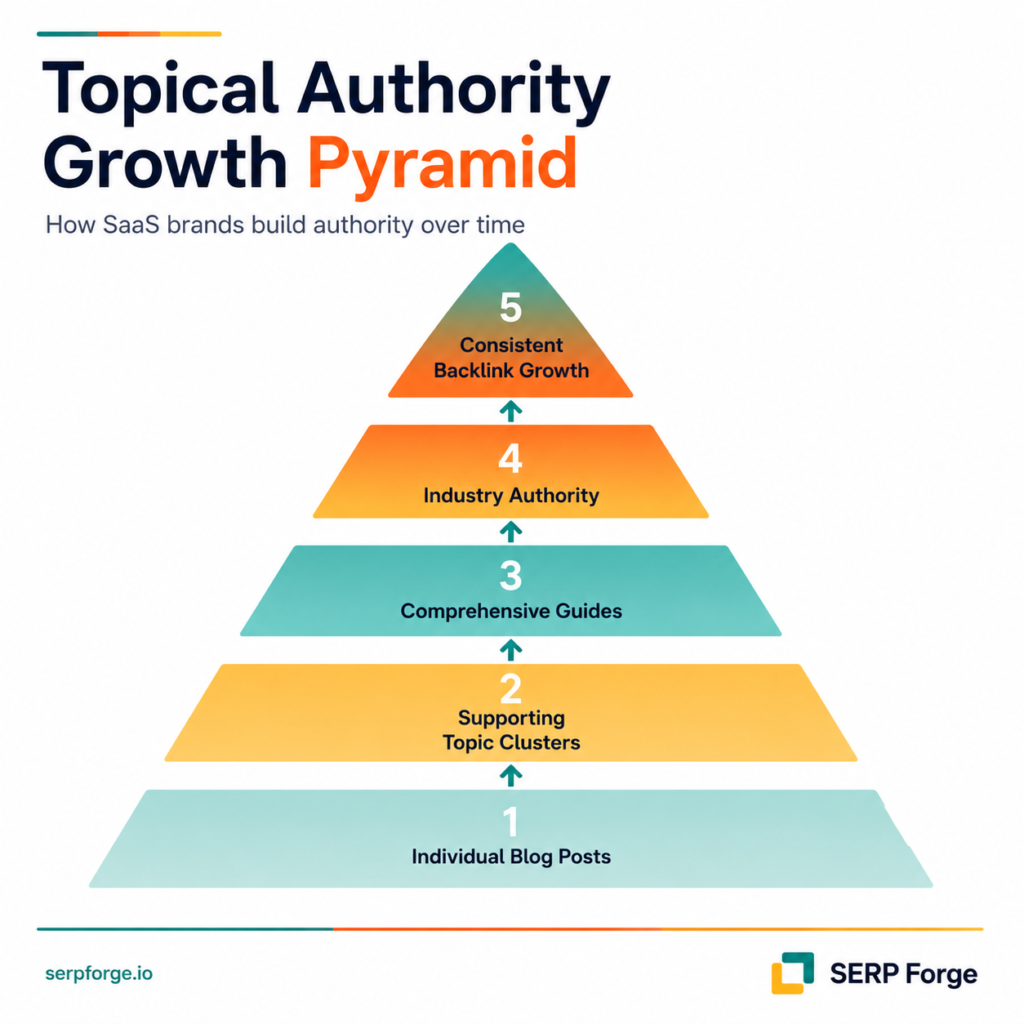
4. Enhances Topical Authority
One thing we consistently noticed was that earning backlinks from websites within the same industry strengthened our expertise around specific topics.
Instead of ranking for just one keyword, our content gradually started appearing for related searches because search engines better understood what our website specialized in.
What improved for us:
- Better visibility across related keywords
- Stronger topical relevance
- Improved performance of topic clusters
- Increased authority within our niche
Example:
After earning backlinks from SEO, PPC, and content marketing publications, our marketing-related content started ranking for a wider range of search queries, not just the primary keyword.
5. Generates Referral Traffic
Not every backlink improved rankings immediately, but many of them started sending qualified visitors from day one.
We found that contextual backlinks placed naturally within relevant articles consistently generated better referral traffic because readers were already interested in the topic before clicking.
What improved for us:
- More targeted visitors
- Higher engagement from referral traffic
- Additional traffic beyond Google
- Increased opportunities for conversions
Example:
A productivity blog linking to our project management guide brought visitors who were already looking for workflow solutions, resulting in better engagement than many other traffic sources.
6. Improves Brand Awareness
As our content earned more backlinks and brand mentions, we started noticing our name appearing more frequently across industry blogs, newsletters, and resource pages.
Even when readers didn’t click immediately, repeated exposure helped build familiarity and credibility within our niche.
What improved for us:
- Greater brand visibility
- More recognition within the industry
- Increased trust among new audiences
- More opportunities for future collaborations
Example:
After being featured in several industry roundups, we began receiving partnership inquiries and organic mentions from websites that had discovered our content through those earlier backlinks.
7. Strengthens Trust and Credibility
One of the biggest changes we noticed was how much easier it became to build trust after earning backlinks from respected websites.
When recognized publications linked to our content, new visitors were more likely to view our website as a reliable source instead of just another blog.
What improved for us:
- Higher credibility with new visitors
- Greater confidence in our expertise
- Stronger reputation within our niche
- Better engagement with our content
Example:
After our content was referenced by reputable industry resources, we saw increased engagement and stronger trust from users who discovered us through those recommendations.
Semrush’s Ranking Factors study is the canonical primary reference. Semrush analyzed 300K results to determine which factors most closely relate to higher search rankings.
8. Accelerates Crawling and Indexing
Whenever we published new linkable assets, we noticed they were discovered faster after earning backlinks from authoritative websites.
Instead of waiting weeks for pages to gain visibility, search engines found and indexed them much more quickly through those external links.
What improved for us:
- Faster page discovery
- Quicker indexing of new content
- Better visibility for fresh pages
- Improved overall website discoverability
Example:
After industry websites linked to one of our research reports, it appeared in Google’s index much faster than similar pages that didn’t receive backlinks.
9. Creates a Competitive Advantage
One lesson we learned early was that publishing better content wasn’t always enough.
In several projects, our content was comparable to competitors’, but once we built a stronger link profile, our pages started outranking theirs for the same keywords.
What improved for us:
- Better rankings for competitive keywords
- Higher visibility than competing pages
- Stronger authority within our niche
- More consistent organic growth
Example:
Two websites published similar content, but after earning backlinks from more relevant websites, our page consistently ranked higher and attracted more organic traffic than competing articles.
Roughly 94% of online content earns no external links at all, and just 2.2% attracts links from multiple websites.
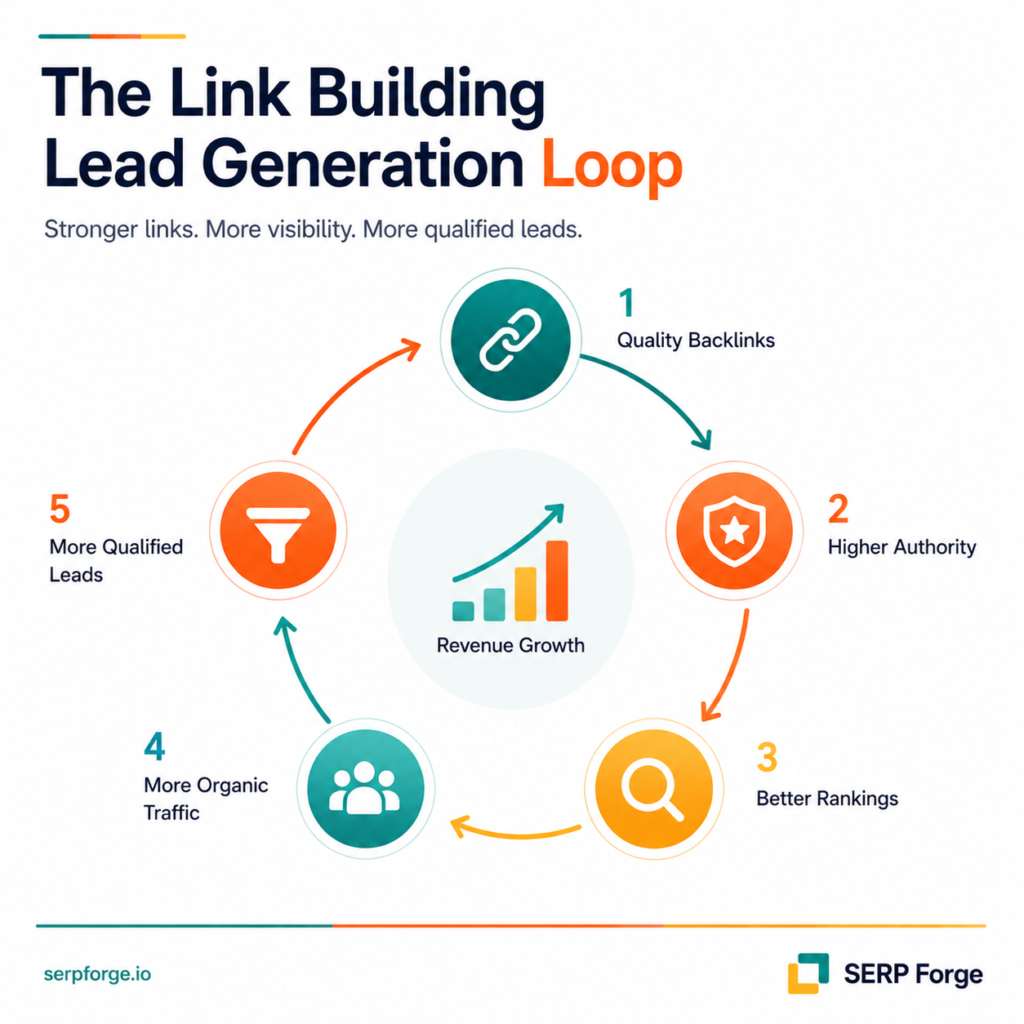
10. Supports Lead Generation and Conversions
One of the most valuable outcomes we experienced was that quality backlinks didn’t just increase traffic; they attracted visitors who were already looking for a solution.
Because these users came from relevant websites, they were more likely to engage with our content and move further down the buying journey.
What improved for us:
- Higher-quality website visitors
- More qualified leads
- Better conversion opportunities
- Increased revenue potential
Example:
After our SaaS product was featured in a software comparison article, we received demo requests from visitors who were already comparing similar solutions, resulting in more qualified leads than general organic traffic.
11. Delivers Long-Term SEO Value
Unlike paid campaigns that stop producing results once the budget ends, we found that quality editorial backlinks continued benefiting our content long after they were earned.
Months later, those same backlinks were still supporting rankings, bringing referral traffic, and strengthening our website’s authority.
What improved for us:
- Long-term organic growth
- Recurring referral traffic
- Lasting website authority
- Compounding SEO performance
Example:
One editorial backlink from a respected industry publication continued sending visitors and supporting keyword rankings long after the article was published, making it one of our highest-return SEO efforts.
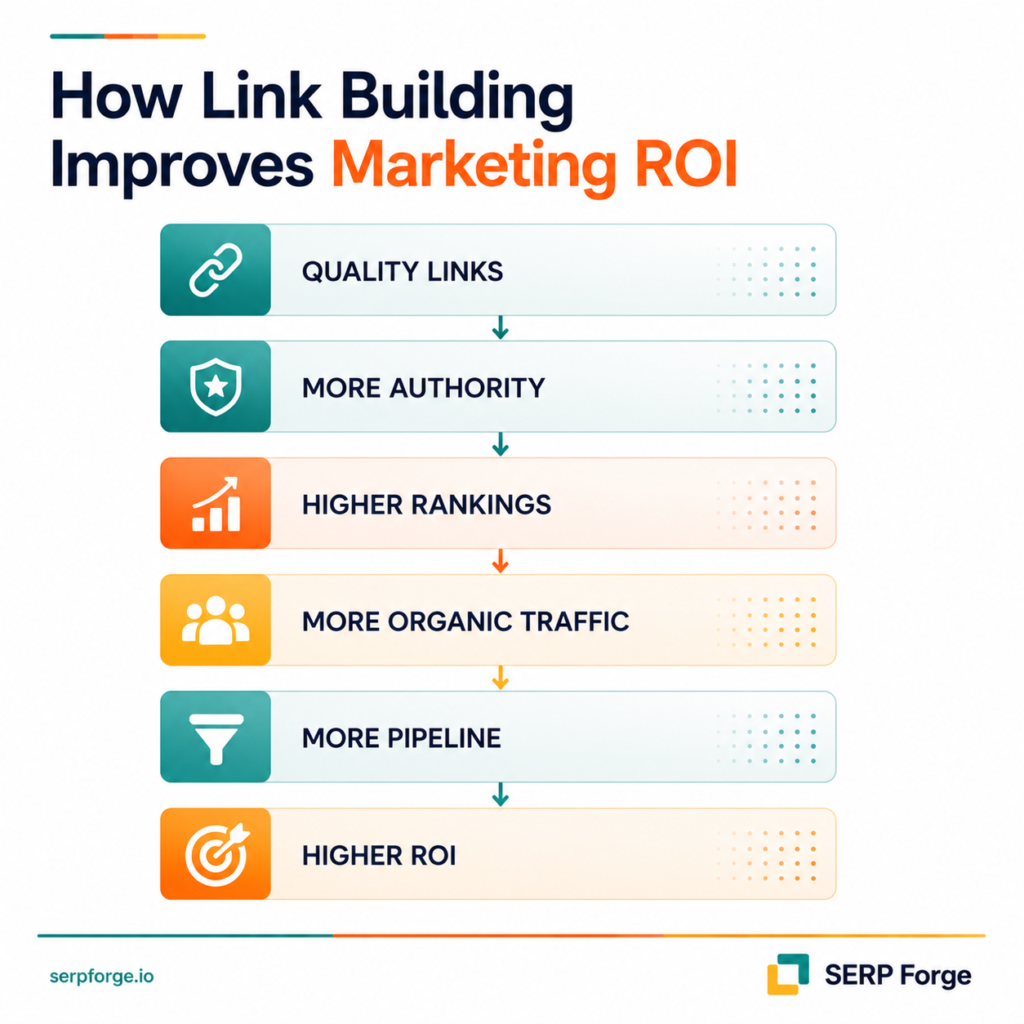
12. Improves Marketing ROI
The biggest lesson we learned was that one successful link-building campaign often improved several marketing channels at once.
A backlink earned through Digital PR didn’t just help rankings; it also increased referral traffic, expanded brand visibility, and generated new business opportunities without additional advertising spend.
What improved for us:
- Better return on SEO investment
- Reduced reliance on paid advertising
- Increased brand exposure
- More value from every campaign
Example:
A single backlink from an industry publication improved keyword rankings, drove referral traffic, strengthened brand recognition, and contributed to lead generation, delivering value far beyond a single SEO metric.
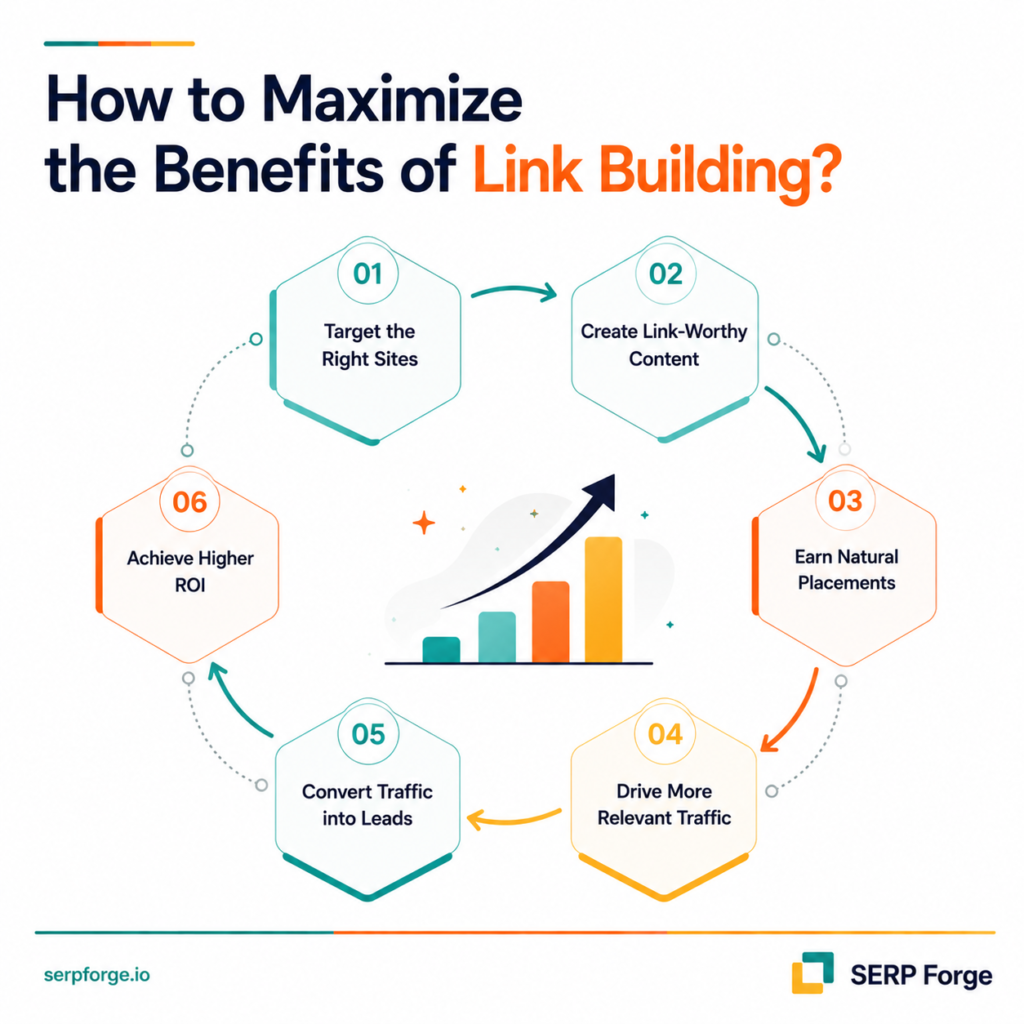
How to Maximize the Benefits of Link Building
Building backlinks alone is not enough. The real value comes from earning links that strengthen authority, improve relevance, and support long-term organic growth. By focusing on quality, consistency, and performance tracking, you can maximize the impact of your link-building efforts.
Focus on Quality Over Quantity
The value of a backlink depends more on its quality than its quantity. Links from authoritative and trustworthy websites pass stronger signals than large volumes of low-value links.
A quality-first approach helps improve rankings, build credibility, and protect your website from potential SEO risks.
Best practices:
- Prioritize links from reputable websites
- Focus on editorially earned backlinks
- Avoid spammy or irrelevant link sources
- Seek links from websites with engaged audiences
Earn Relevant Backlinks
Relevance plays a major role in determining backlink value. When links come from websites within your industry or niche, they strengthen topical authority and help search engines better understand your expertise.
Ways to earn relevant links:
- Publish original research and insights
- Create valuable industry resources
- Contribute expert opinions and thought leadership
- Build relationships within your niche
Build Links Consistently
Link building delivers the best results when approached as an ongoing strategy. Consistent link acquisition supports gradual authority growth, strengthens trust signals, and helps maintain competitive search visibility over time.
Benefits of consistency:
- Supports sustainable ranking growth
- Strengthens authority over time
- Helps new content gain visibility
- Creates long-term SEO momentum
Monitor Backlink Performance
Tracking backlink performance helps you understand which efforts generate the greatest value. By monitoring key SEO and business metrics, you can identify successful link sources and improve future campaigns.
Key metrics to monitor:
- Referral traffic
- Keyword rankings
- Referring domains
- Organic traffic growth
- Lead and conversion impact
Conclusion
The benefits of link building extend far beyond improving search rankings. Quality backlinks help strengthen website authority, increase organic traffic, build topical relevance, generate referral visitors, and support long-term business growth.
They also enhance brand visibility, credibility, and trust, making them a valuable asset for both SEO and broader digital marketing efforts.
However, not all backlinks deliver the same value. The greatest results come from earning relevant, authoritative links through consistent and strategic link-building efforts.
FAQ’s
1. What is the biggest benefit of link building?
The biggest benefit of link building is improved search visibility. Quality backlinks help search engines evaluate the authority and relevance of your content, which can lead to higher rankings, increased organic traffic, and greater online exposure.
2. How long does link building take to show results?
Link building is a long-term strategy. While some benefits, such as referral traffic, may appear quickly, ranking and traffic improvements often take several weeks or months, depending on competition, backlink quality, and your website’s existing authority.
3. Do backlinks still matter in SEO?
Yes. Backlinks remain one of the strongest ranking signals used by search engines. They help establish trust, authority, and relevance, making them an important part of any effective SEO strategy.
4. Are quality backlinks better than quantity?
Yes. A few relevant backlinks from authoritative websites often provide more value than a large number of low-quality links. Search engines place greater emphasis on relevance, trustworthiness, and editorial value rather than backlink volume alone.
5. Can link building increase website traffic?
Yes. Link building can increase traffic in two ways. First, quality backlinks can improve rankings and drive more organic search traffic. Second, backlinks placed on relevant websites can generate referral traffic from users who click through to your content.