


Managing SEO for a small website is one thing, but handling thousands of pages, multiple markets, and large datasets is a completely different challenge.
As your business grows, basic SEO tools often fall short, making it harder to track performance, fix technical issues, and stay competitive in search results.
That’s where enterprise SEO tools come in. These platforms are built to handle scale, streamline workflows, and bring all your SEO efforts, technical, content, and performance, into one system.
In this guide, you’ll find the best enterprise SEO tools, their key features, and how to choose the right ones for your business.
What Are Enterprise SEO Tools?
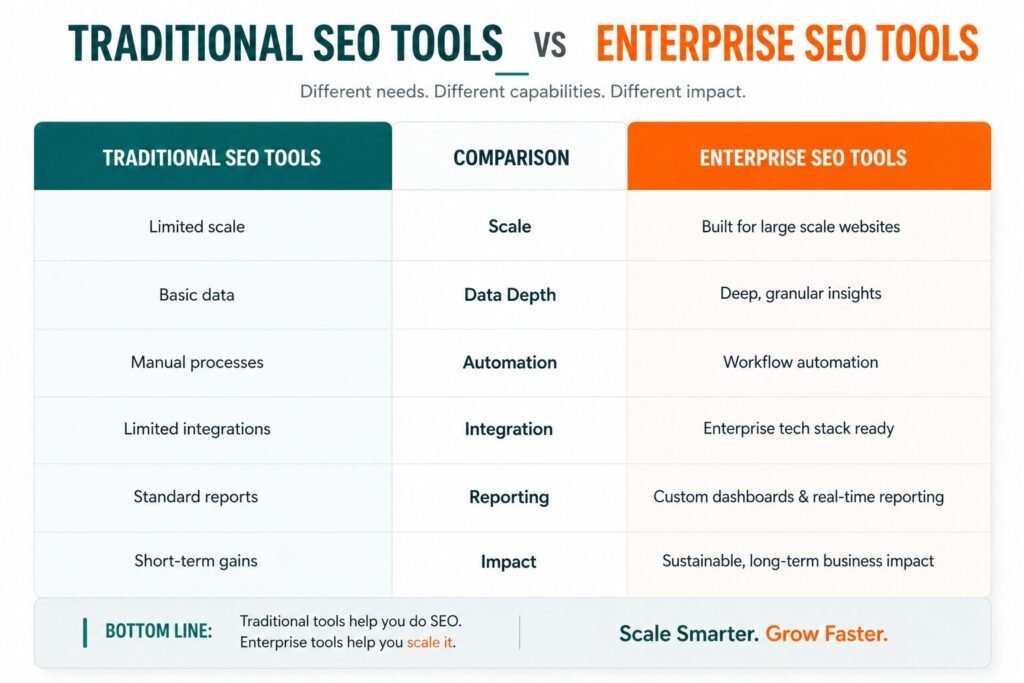
Enterprise SEO tools are advanced platforms designed to help businesses manage and scale SEO across large, complex websites.
Unlike basic SEO tools, they are built to handle thousands (or even millions) of pages, multiple teams, and large volumes of data all in one place.
These tools go beyond simple keyword tracking or backlink analysis. They combine technical SEO audits, content optimization, rank tracking, and performance reporting into a unified system.
Before investing in tools, it’s worth understanding what needs to be audited. Our saas technical seo guide outlines every technical area these tools should be checking.
According to market data, with 58% of SEOs reporting increased competition due to AI-driven search changes, managing SEO at scale has become even more challenging.
Why Enterprise Businesses Need Advanced SEO Tools
As businesses grow, SEO becomes more complex. Managing a handful of pages is very different from handling thousands of URLs, multiple product categories, and content across regions or markets.
Enterprise-level websites require more than basic tools they need systems that can keep up with scale, speed, and data complexity.
Advanced SEO tools help large teams stay organized, identify issues faster, and make informed decisions based on real-time data. Without them, it’s easy to miss technical errors, lose track of performance, or struggle with coordination across teams.
The right SaaS marketing automation tools ensure your SEO-driven traffic is captured, nurtured, and converted without manual effort.
Here’s why enterprise businesses rely on advanced SEO tools:
- Managing large-scale websites efficiently
Enterprise sites often have thousands of pages. Advanced tools help crawl, monitor, and optimize them without manual effort. - Handling complex technical SEO issues
From crawl errors to site architecture and indexing problems, these tools provide deep insights that are hard to track manually. - Centralizing SEO data in one place
Instead of switching between platforms, teams can access keyword data, traffic insights, and performance metrics in a single dashboard. - Improving team collaboration
Multiple teams, content, marketing, and development—can work together with shared reports, workflows, and task tracking. - Automating repetitive SEO tasks
Tasks like reporting, audits, and alerts can be automated, saving time and reducing human error. - Tracking performance across markets and devices
Enterprise tools allow businesses to monitor rankings and visibility across different locations, languages, and devices. - Making faster, data-driven decisions
With access to real-time insights, businesses can quickly adjust strategies and stay competitive in search results.
As your website and team grow, investing in advanced SEO tools isn’t just helpful; it becomes necessary to maintain consistency, accuracy, and performance at scale.
Key Features to Look for in Enterprise SEO Tools
Choosing the right enterprise SEO tool isn’t just about features; it’s about finding a platform that can handle scale, simplify workflows, and turn complex data into clear actions.
Enterprise platforms are designed to combine multiple capabilities like keyword tracking, site audits, and reporting into one unified environment, helping teams work faster and make better decisions.
Here are the key features you should look for:
- Scalability for large websites
The tool should handle thousands (or millions) of pages without slowing down, ensuring reliable data for complex site structures. - Advanced technical SEO auditing
Look for deep crawling capabilities that can identify issues like broken links, indexing errors, duplicate content, and site structure problems all covered in our complete SaaS technical SEO guide. - Keyword research and rank tracking
Strong keyword databases and accurate rank tracking help you monitor performance across locations, devices, and search engines. - Content optimization and recommendations
The tool should provide actionable insights to improve content quality, relevance, and search visibility at scale. - Competitor and market analysis
Enterprise tools should offer deep insights into competitor strategies, backlink profiles, and keyword gaps to uncover new opportunities. - Automation and workflow management
Automation helps reduce manual work by handling tasks like reporting, alerts, and audits, while workflow features keep teams aligned. - Data integration and API access
The ability to connect with analytics platforms, CRM tools, and other systems ensures all your SEO data is centralized and actionable. - Custom reporting and dashboards
Look for flexible reporting that can translate SEO performance into business metrics like traffic, conversions, and revenue. - Collaboration and user management
Features like role-based access, task assignments, and approval workflows help large teams work efficiently without confusion. - Real-time insights and alerts
The best tools notify you about critical issues or performance changes instantly, helping you act before problems grow.
Don’t just look for the most features; focus on how well the tool connects everything.
A platform that brings data, teams, and workflows together will deliver far better results than multiple disconnected tools.
Enterprise SEO Tools Comparison
Here’s a quick comparison of the top enterprise SEO tools based on their core strengths, features, and ideal use cases:
| Tool | Best For | Key Features | Use Case |
| Riff Analytics | SEO reporting & analytics | Custom dashboards, unified data, and ROI tracking | Enterprise reporting and performance tracking |
| Semrush | All-in-one SEO | Keyword research, site audit, competitor analysis | Managing SEO campaigns end-to-end |
| Ahrefs | Backlink & competitor research | Backlink analysis, keyword explorer, site audit | Link building and competitive insights |
| BrightEdge | Enterprise content SEO | Content recommendations, intent tracking, forecasting | ROI-focused content strategies |
| Conductor | Content & SEO collaboration | Content workflows, audience insights, and reporting | Content-driven SEO teams |
| Botify | Technical SEO at scale | Log analysis, crawl budget, indexing insights | Large websites with a complex structure |
| seoClarity | Automation & scalability | Rank tracking, automation, API integrations | Scaling SEO workflows |
| Lumar | Technical site audits | Deep crawling, issue detection, site health | Enterprise technical audits |
| Oncrawl | Data-driven technical SEO | Crawl + log analysis, internal linking insights | Improving crawl efficiency |
| STAT Search Analytics | Rank tracking | SERP tracking, daily updates, and location tracking | Tracking large keyword sets |
| Similarweb | Market & competitor analysis | Traffic insights, audience data, benchmarking | Competitive intelligence |
| Screaming Frog SEO Spider | Technical audits | Site crawling, error detection, and on-page checks | Technical SEO audits |
| Clearscope | Content optimization | Content scoring, keyword recommendations | Improving content quality |
| Surfer SEO | On-page SEO | Content editor, SERP analysis, keyword clustering | Optimizing on-page content |
| Google Search Console | Performance tracking | Search data, indexing reports, and Core Web Vitals | Monitoring SEO performance |
15 Best Enterprise SEO Tools
Here’s a detailed breakdown of enterprise SEO tools with clear features, use cases, and practical value for large-scale SEO operations.
1. Riff Analytics
Riff Analytics is built for enterprise teams that need a clear view of SEO performance across multiple channels.
It focuses on combining large datasets into actionable insights, making reporting and decision-making easier.
It helps teams move away from scattered tools by offering a centralized system to track SEO performance, campaign impact, and growth opportunities in one place.
Key features include:
- Centralized SEO and performance data
- Custom dashboards for stakeholders
- Campaign and ROI tracking
- Scalable reporting for large teams

2. Semrush
Semrush is one of the most widely used SEO platforms, offering a complete toolkit for keyword research, technical SEO, and competitor analysis. It is designed to support both growing businesses and large enterprises.
With its broad feature set, it allows teams to manage multiple SEO activities from research to execution within a single platform, reducing the need for multiple tools.
Key features include:
- Keyword research and SERP tracking
- Backlink analysis and link-building tools
- Site audits for technical SEO issues
- Competitor and traffic analysis
- Content marketing toolkit
3. Ahrefs
Ahrefs is known for its strong backlink database and reliable SEO data, making it a go-to tool for competitive analysis and link-building strategies. It provides deep insights into how websites grow their organic traffic.
It is especially useful for identifying keyword opportunities, analyzing competitors, and improving domain authority through data-backed decisions.
Key features include:
- Large backlink index and link analysis
- Keyword Explorer with difficulty metrics
- Content gap and competitor analysis
- Technical site audit
- Rank tracking across regions
4. BrightEdge
BrightEdge is an enterprise SEO platform focused on delivering measurable business results through content and search performance. It connects SEO efforts directly with revenue and customer intent.
It is widely used by large organizations that need real-time insights and advanced reporting to align SEO with overall marketing goals.
Key features include:
- Real-time keyword and ranking insights
- Content recommendations based on intent
- SEO performance forecasting
- Integration with analytics platforms
- Enterprise-level reporting
5. Conductor
Conductor is a content-driven SEO platform designed to help teams plan, create, and optimize content at scale. It focuses on understanding audience intent and aligning content with search demand.
It also supports collaboration across teams, making it easier to manage workflows between SEO, content, and marketing departments.
Key features include:
- Content planning and optimization tools
- Audience and search intent insights
- Performance tracking and reporting
- Workflow and collaboration features
- Keyword and topic research
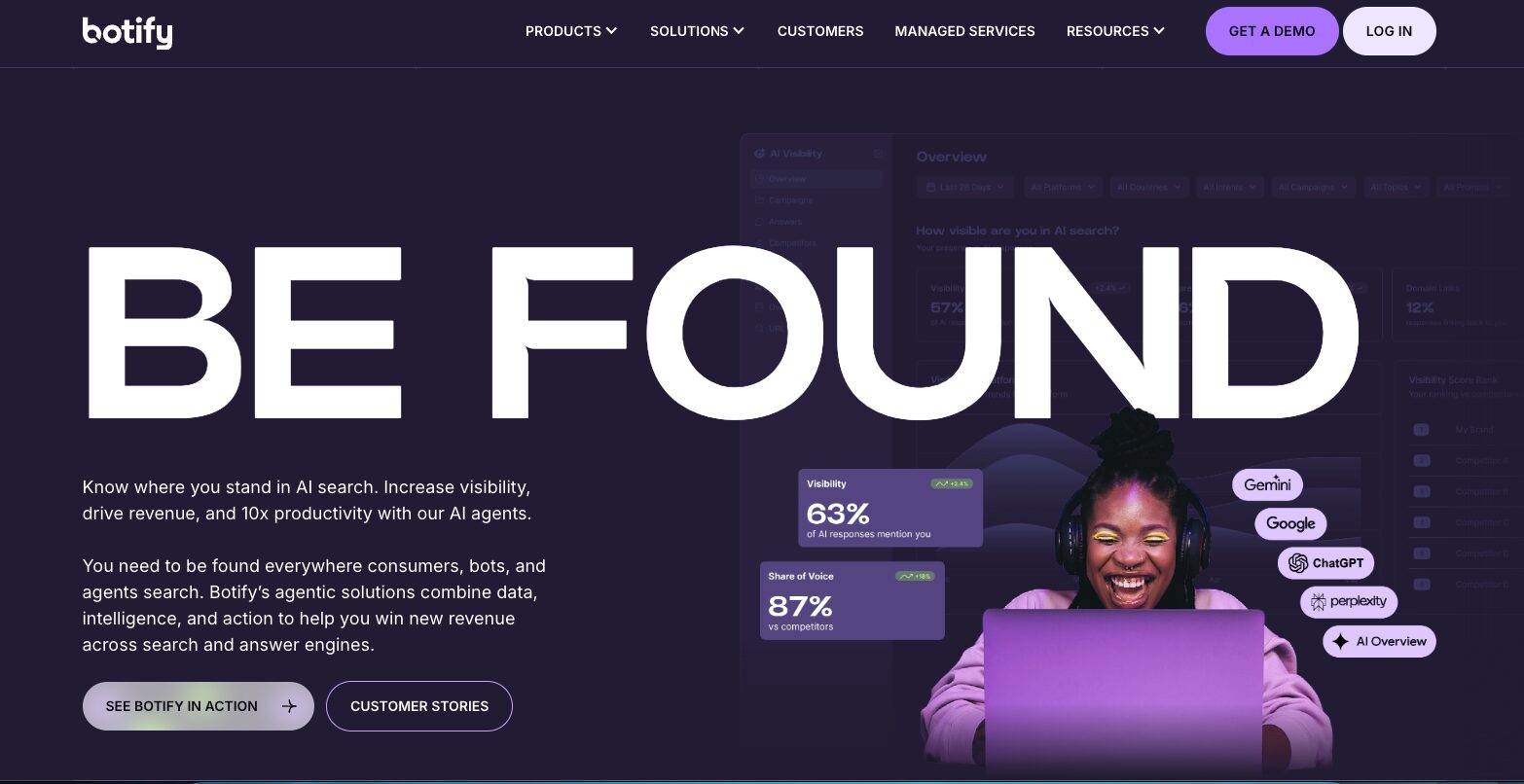
6. Botify
Botify is a technical SEO platform built for large websites with complex structures. It provides deep insights into how search engines crawl and index pages.
It is especially useful for enterprises dealing with millions of URLs, helping them optimize crawl budget, fix indexing issues, and improve site performance.
Key features include:
- Log file analysis for crawler behavior
- Crawl budget optimization
- Indexing and visibility insights
- Real-time site monitoring
- Technical SEO diagnostic
7. SEOClarity
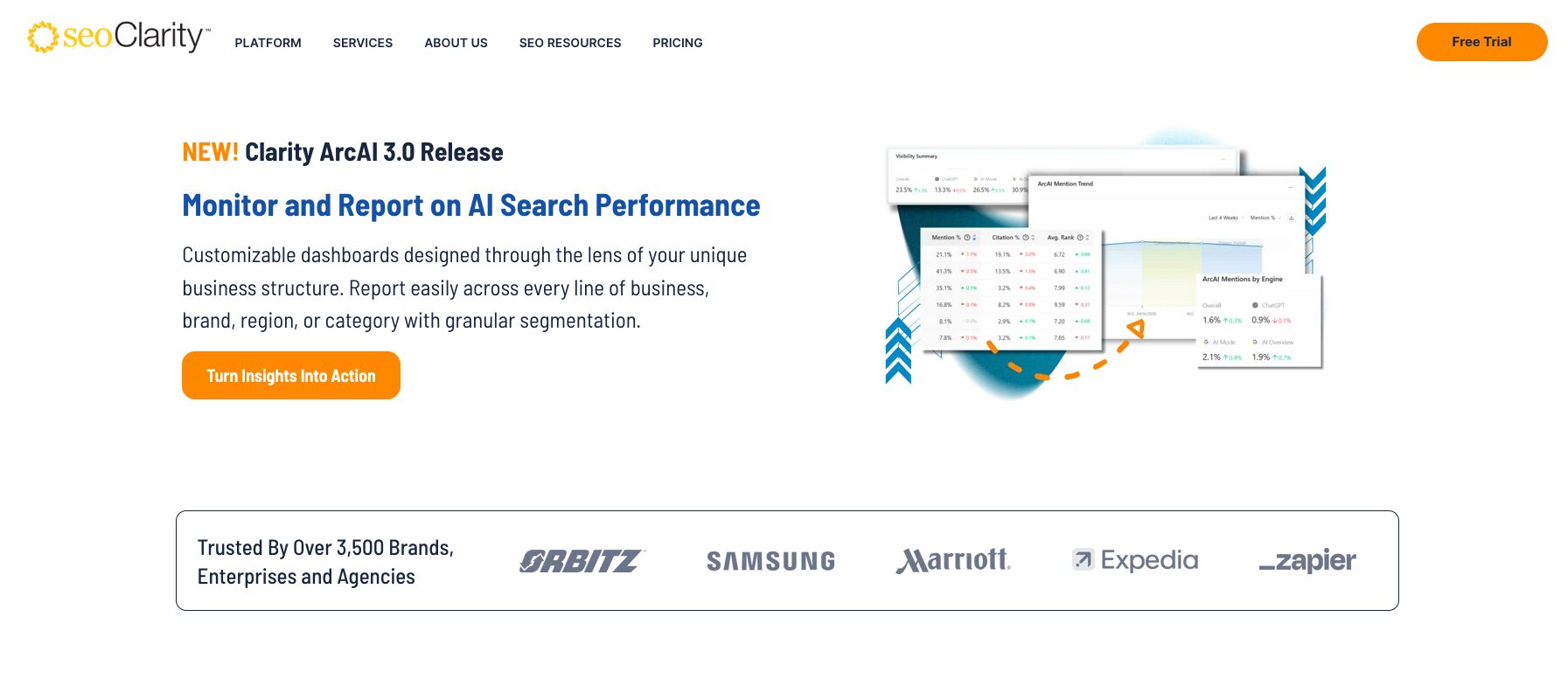
SEOClarity is an enterprise SEO platform focused on automation and scalability. It combines data analysis, content optimization, and workflow management into one system.
It helps large teams reduce manual work and improve efficiency through automation and integrations.
Key features include:
- Rank tracking across devices and regions
- Content optimization recommendations
- Automated reporting and workflows
- API integrations for large datasets
- Keyword and competitor analysis
8. Lumar
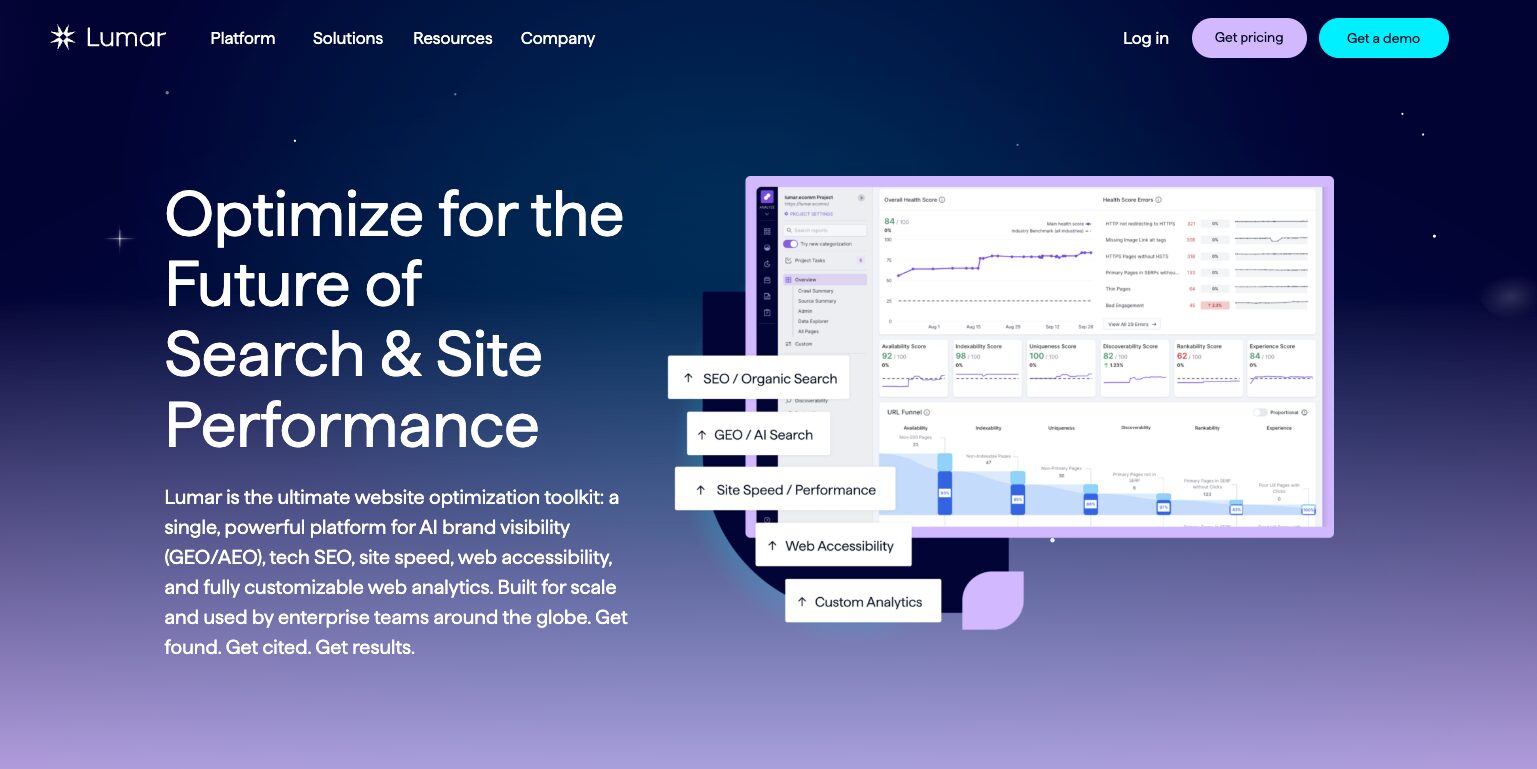
Lumar is a technical SEO platform focused on improving website health and performance. It provides detailed insights into site structure, crawlability, and technical issues.
It is widely used for large-scale audits and ongoing monitoring of complex websites.
Key features include:
- Deep website crawling and audits
- Technical issue detection
- Site structure and architecture analysis
- Performance monitoring
- Scalable reporting
9. Oncrawl
Oncrawl is a data-driven SEO platform that combines crawl data, log files, and search data to provide a complete view of website performance.
It helps enterprises understand how search engines interact with their sites and identify areas for technical improvement.
Key features include:
- Technical SEO audits and analysis
- Log file and crawl data integration
- Internal linking analysis
- Crawl budget optimization
- SEO performance insights

10. STAT Search Analytics (by Moz)
STAT is an enterprise-level rank tracking tool designed for tracking large keyword sets across multiple locations and devices.
It provides accurate and detailed SERP data, helping businesses monitor visibility and performance at scale.
Key features include:
- Large-scale keyword tracking
- Daily rank updates
- SERP feature tracking
- Location-based insights
- Competitive ranking analysis
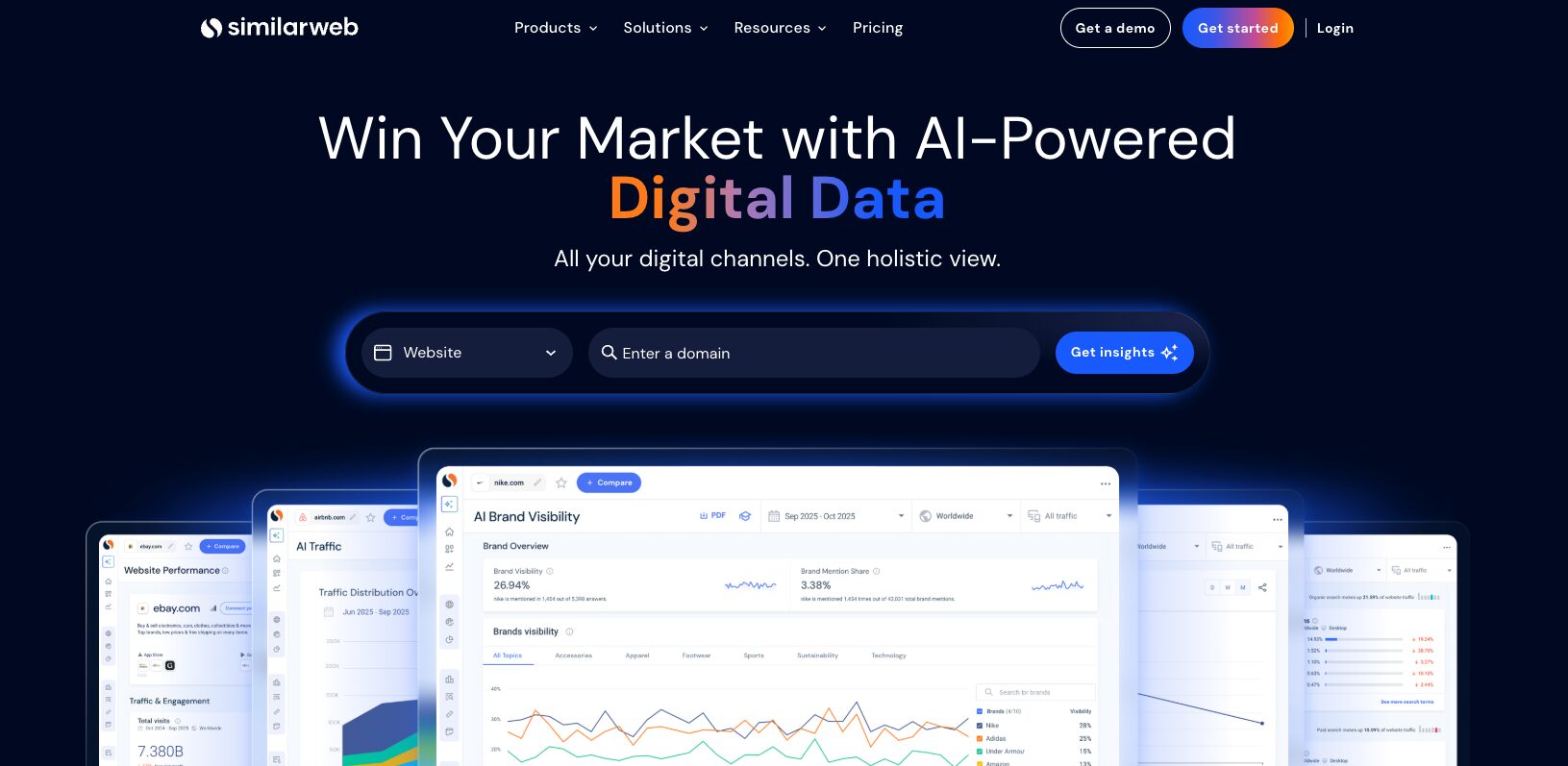
11. Similarweb
Similarweb is a digital intelligence platform that provides insights into website traffic, audience behavior, and competitor performance.
It helps enterprises understand market trends and benchmark their performance against competitors.
Key features include:
- Website traffic and engagement data
- Audience insights and demographics
- Competitive benchmarking
- Market trend analysis
- Channel performance tracking
12. Screaming Frog SEO Spider
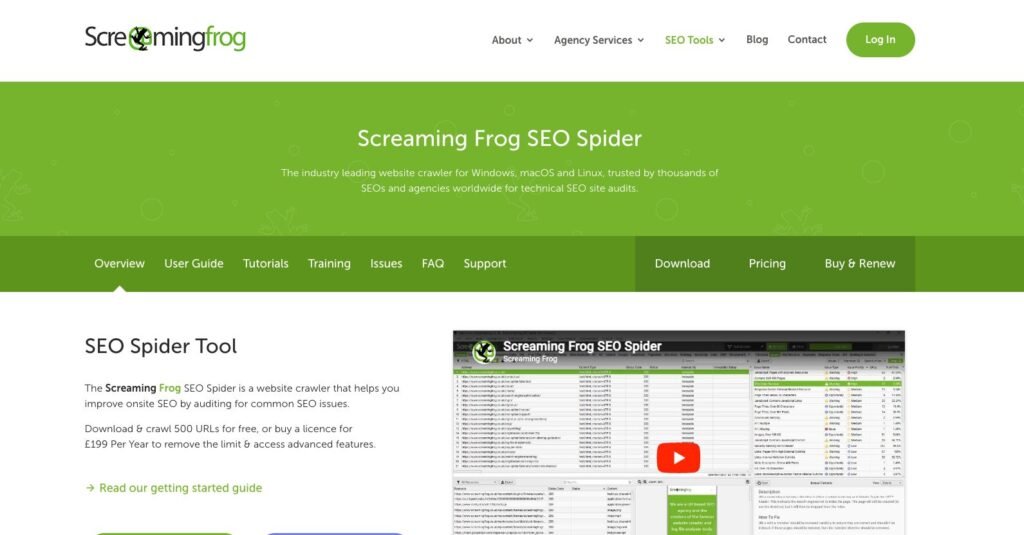
Screaming Frog SEO Spider is a desktop-based crawler used for in-depth technical SEO audits. It simulates how search engines crawl websites.
It is widely used for identifying technical issues and improving site structure.
Key features include:
- Website crawling and error detection
- Broken link and redirect analysis
- Metadata and on-page SEO checks
- XML sitemap generation
- Integration with analytics tools
13. Clearscope
Clearscope is a content optimization platform that helps improve content quality and search relevance using data-driven recommendations.
It is commonly used by content teams to create high-ranking, search-friendly content.
Key features include:
- Content grading and scoring
- Keyword and topic recommendations
- SERP-based insights
- Readability and relevance analysis
- Content optimization workflows

14. Surfer SEO
Surfer SEO focuses on on-page optimization and content structure. It provides real-time suggestions to improve content based on search data.
It helps teams optimize content for better rankings and user intent.
Key features include:
- Content editor with real-time suggestions
- Keyword clustering and analysis
- On-page SEO optimization
- Content audit tools
- SERP data insights

15. Google Search Console
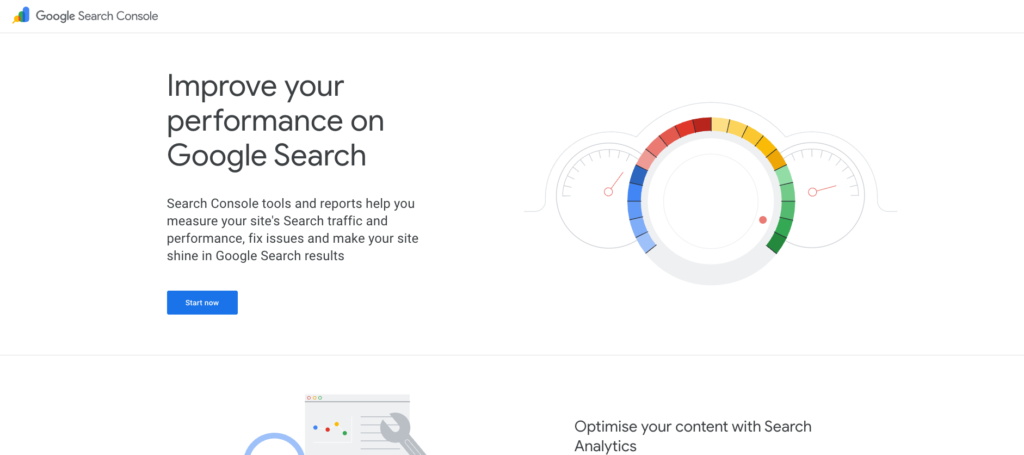
Google Search Console is a free tool that provides direct insights into how a website performs in Google Search.
It is essential for monitoring indexing, performance, and technical issues directly from Google’s data.
Key features include:
- Search performance and keyword data
- Indexing and coverage reports
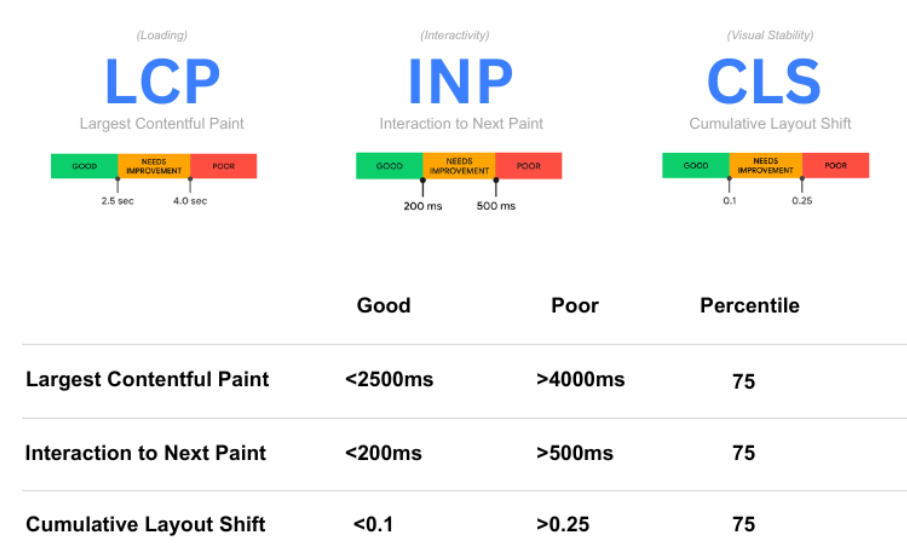
- Core Web Vitals and page experience
- Sitemap submission and monitoring
- Issue alerts and fixes
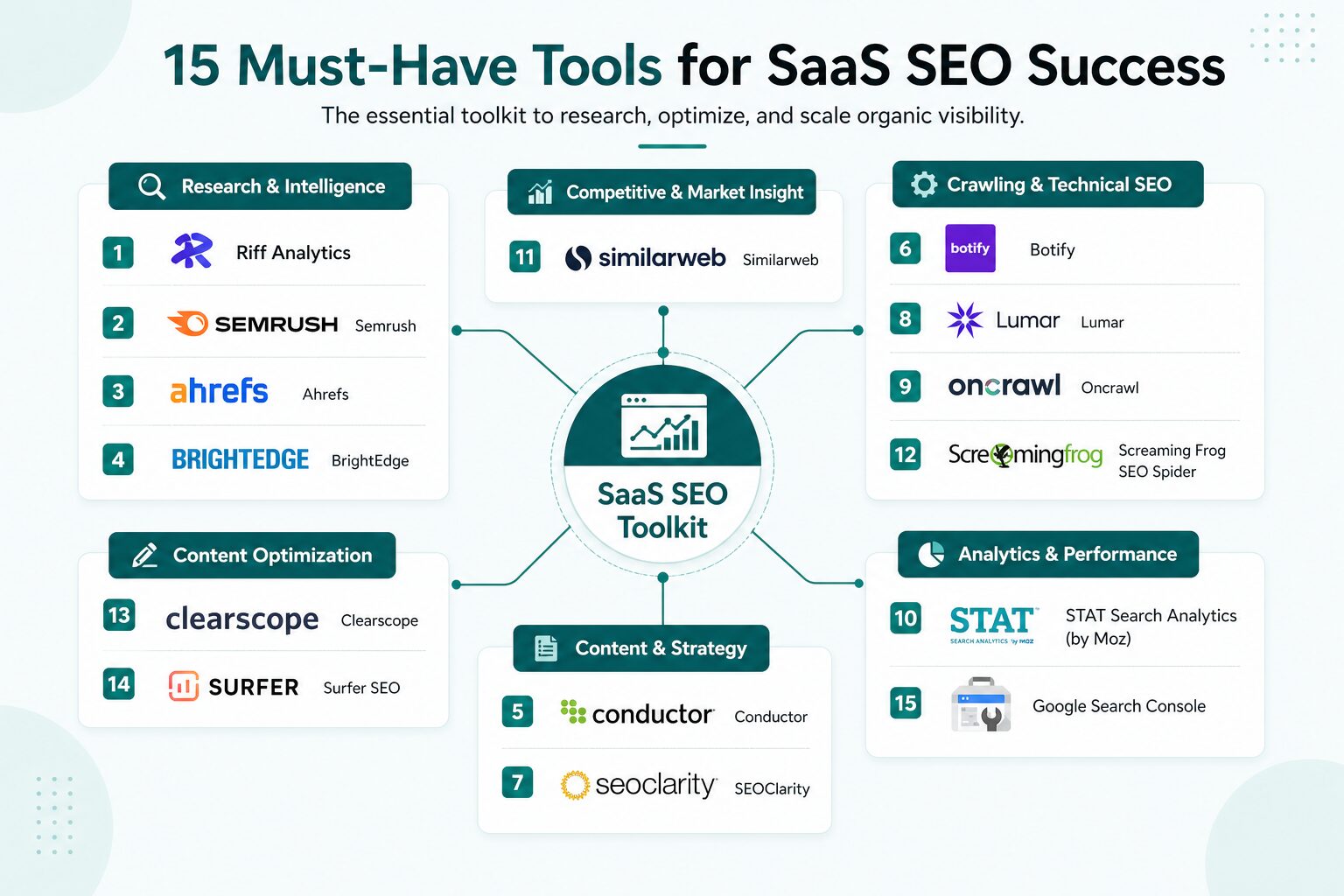
Enterprise SEO works best with a combination of tools. For example, using Ahrefs for backlinks, Screaming Frog for technical audits, and Clearscope for content can cover all major SEO areas effectively. An AI SEO agency can help you connect these tools to AI search visibility.
How to Choose the Right Enterprise SEO Tool
Choosing the right enterprise SEO tool isn’t about picking the most popular option—it’s about finding a platform that fits your website size, team structure, and business goals. Enterprise SEO involves multiple moving parts, so the tool you choose should simplify workflows, not add more complexity.
The right platform should help you manage technical SEO, content, and performance tracking in a way that aligns with how your team actually works.
Here’s how to make the right choice:
- Understand your primary SEO goals
Start by identifying what you need most—technical audits, content optimization, rank tracking, or competitor analysis. Your priority will guide your tool selection. - Evaluate your website size and complexity
Large eCommerce sites or marketplaces need strong crawling and indexing tools, while content-heavy sites may need content optimization platforms. - Check scalability and performance
Make sure the tool can handle thousands of pages, large keyword sets, and multiple locations without slowing down. - Look for all-in-one vs. specialized tools
Platforms like Semrush offer broad features, while tools like Screaming Frog SEO Spider focus on specific areas like technical SEO. - Assess data accuracy and depth
Reliable keyword data, backlink insights, and crawl reports are critical for making the right decisions. - Check integration capabilities
The tool should connect with analytics platforms, CRM systems, and other marketing tools to centralize your data. - Review collaboration and workflow features
If multiple teams are involved, look for role-based access, shared dashboards, and task management features. - Consider reporting and customization
Custom dashboards and automated reports help you track performance and share insights with stakeholders easily. - Evaluate ease of use and learning curve
A powerful tool is only useful if your team can actually use it efficiently without constant training. - Compare pricing with value
Enterprise tools can be expensive, so focus on the value they deliver in terms of time saved, insights gained, and results achieved.
Many enterprise teams use a combination of tools instead of relying on just one. For example, an all-in-one platform for overall strategy, paired with a specialized tool for technical SEO or content optimization, often delivers better results.
Common Challenges When Using Enterprise SEO Tools
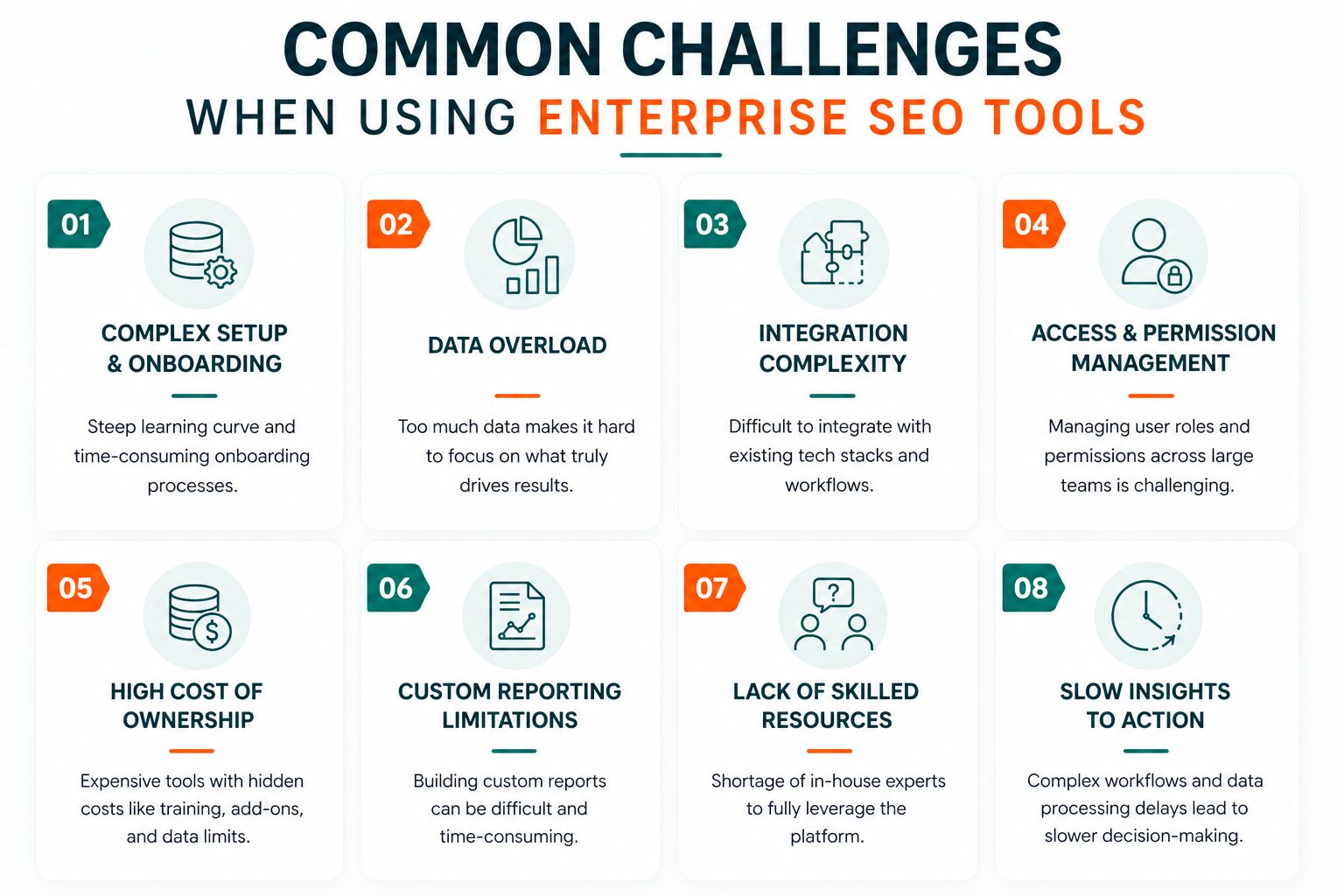
Enterprise SEO tools are powerful, but they often come with a steep learning curve and operational complexity. Many teams struggle with handling large volumes of data, understanding advanced reports, and turning insights into actionable steps.
Without proper training and clear workflows, even the best tools can feel overwhelming and underutilized.
Another common challenge is managing multiple tools and integrations across teams. Data can become fragmented between platforms, making it harder to maintain consistency and accuracy.
Additionally, aligning SEO efforts with content, development, and marketing teams can slow down execution, especially when workflows and responsibilities are not clearly defined.
Final Thoughts
Enterprise SaaS SEO is not just about using advanced tools; it’s about building a system that can handle scale, complexity, and continuous growth. The right combination of tools can help you streamline workflows, uncover opportunities faster, and make data-backed decisions without getting lost in scattered information.
Instead of relying on a single platform, most successful teams use a mix of tools tailored to their needs, whether it’s technical SEO, content optimization, or competitor analysis.
The key is to focus on tools that align with your goals, integrate well with your existing stack, and actually make your processes more efficient. When used correctly, enterprise SEO tools can turn complex operations into a structured and scalable growth engine.
Not Sure Which Enterprise SEO Stack Is Right for You? Let’s Build One Together. Book a Free Strategy Call →
FAQs
What makes an SEO tool enterprise-level?
An enterprise SEO tool is built to handle large websites, complex data, and multiple users. It offers scalability, automation, advanced reporting, and integrations in one platform.
Which enterprise SEO tools are best for large websites?
Tools like Botify, BrightEdge, and SEOClarity are best for large websites due to their strong technical SEO and scalability features.
Do enterprise SEO tools support AI search optimization?
Yes, many enterprise SEO tools support AI-driven features like content recommendations, keyword clustering, and search intent analysis.
How much do enterprise SEO tools cost?
Enterprise SEO tools usually cost from a few hundred to several thousand dollars per month, depending on features, scale, and usage.
Can enterprise SEO tools integrate with other marketing platforms?
Yes, most enterprise SEO tools integrate with analytics, CRM, and marketing platforms through APIs and built-in integrations.