



What is Spam Score Checker?
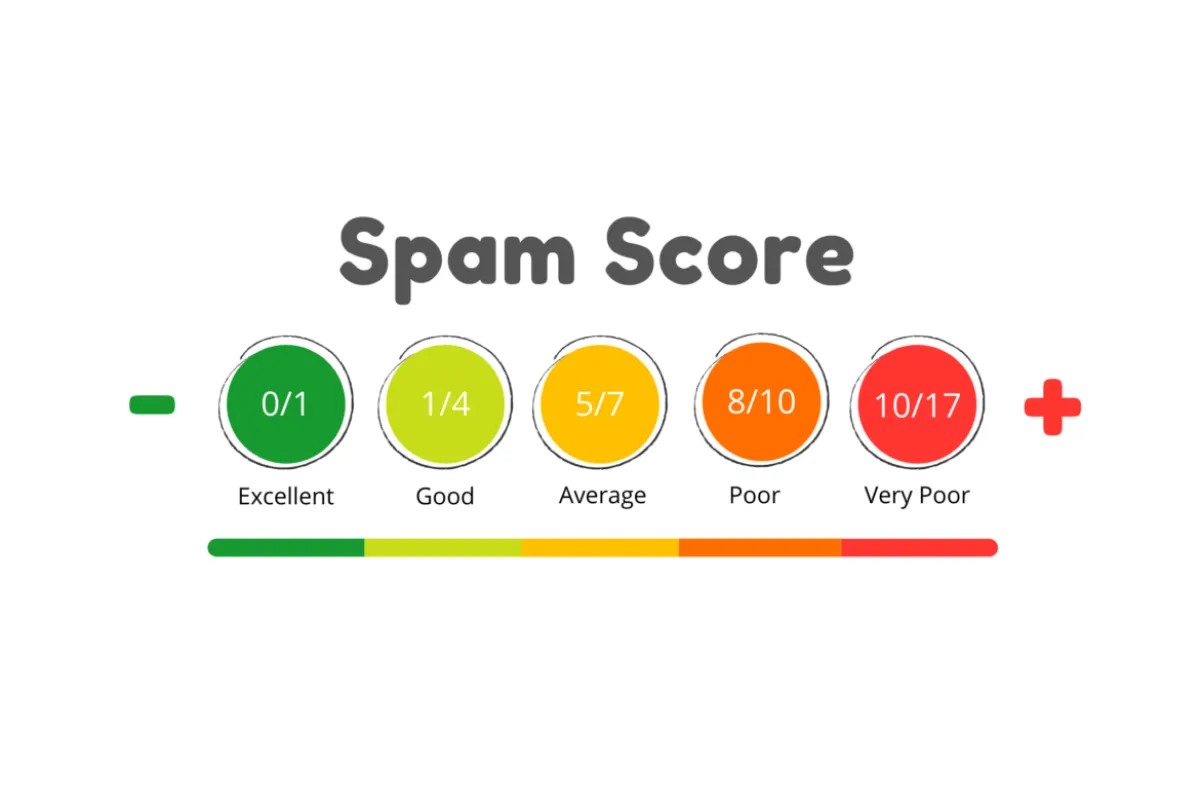
A Spam Score Checker is a diagnostic tool that evaluates your domain’s likelihood of being flagged as spam by search engines. It analyses your backlink profile and on-site signals, similar to how a Moz DA check evaluates domain trust and authority strength. It examines patterns that correlate with penalized websites, such as link farms, unnatural anchor text distributions, and suspicious linking networks.
The tool aggregates signals like domain age anomalies, follow-to-nofollow ratios, spam network presence, and TLD reputation. Machine learning models trained on penalized sites assign weighted probabilities to these factors, producing a percentage score that quantifies contamination risk.
When your score is high, it means your domain shows characteristics similar to sites Google has demoted or deindexed. This early warning system lets you identify and fix toxic elements before they trigger algorithmic penalties or suppress your rankings.
Key Features of SERP Forge’s Spam Score Checker
Cut through the noise with a tool built for precision, transparency, and zero paywalls, because understanding your site’s health shouldn’t cost you anything.
100% Free with No Limits
Check unlimited domains without registration walls, credit card requirements, or trial expirations. Actionable insights shouldn’t be locked behind subscription tiers.
Genuine Algorithm Metrics
Our scoring methodology mirrors Google’s penalty triggers, with no vanity numbers or inflated ratings. You get honest assessments grounded in observable correlations, not marketing fluff.
Instant Breakdown
Beyond the raw percentage, see which specific flags raised your score, such as toxic backlink clusters, suspicious domain extensions, or unnatural anchor ratios.
How Does Moz Calculate Spam Score?
Understanding how tools like Moz Spam Score calculate results turns a single number into an actionable cleanup roadmap.
Signal Aggregation
The algorithm scans your domain for red flags like link velocity spikes, anchor text over-optimization, blog network presence, co-citation with spam sites, and hosting footprints shared with penalized domains. Each marker carries a weighted risk value derived from historical penalty correlations.
Probabilistic Scoring
Machine learning classifiers use ensemble methods combining decision trees and logistic regression to assign likelihood scores to each detected flag. These thresholds are calibrated against datasets of confirmed spam and clean domains, distinguishing genuine outliers from innocent anomalies.
Percentage Derivation
The system converts cumulative signal weights to a 0-100% scale. The output reflects probability, not certainty, giving you a risk forecast rather than a definitive verdict.
| Spam Score | Risk Level | What It Means |
|---|---|---|
| 0% – 30% | Low | Clean profile, no action needed |
| 30% – 60% | Caution | Review your backlinks and monitor closely |
| 60% – 80% | Intervention needed | Audit and clean up toxic links |
| 80%+ | Severe | Serious contamination, act immediately |
Is Spam Score Genuine for SEO?
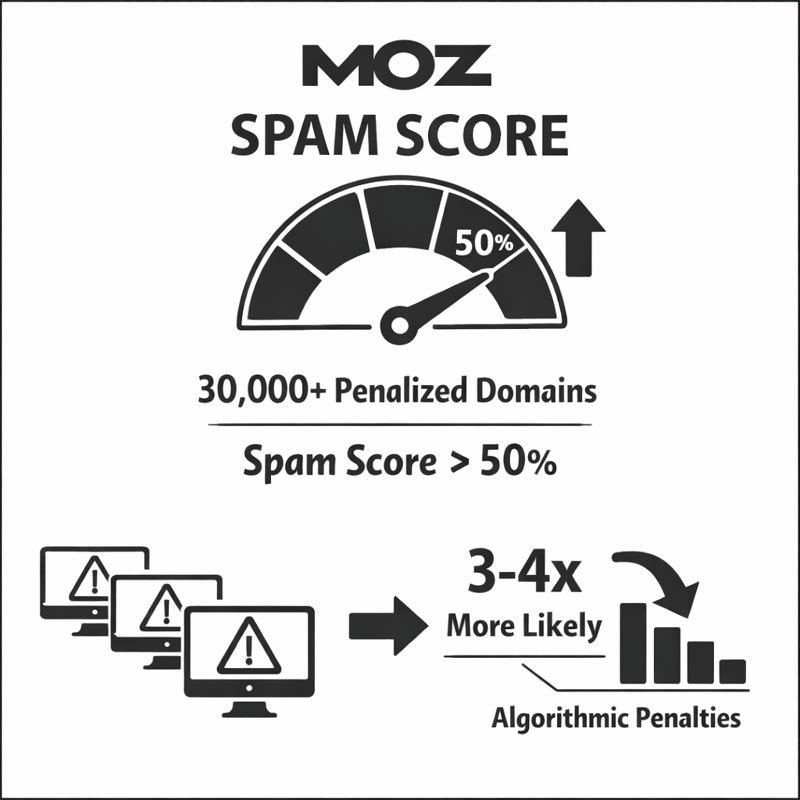
Moz’s Spam Score is not a direct Google ranking factor. However, Moz’s 2019 analysis of more than 30,000 penalized domains found that websites with Spam Scores above 50% were three to four times more likely to experience algorithmic penalties or ranking suppression.
Spam score algorithms identify overlap with known bad actors rather than predict penalties directly. A high score signals proximity to the penalty zone, warranting proactive cleanup before algorithms act.
Sites that actively lower their spam score through link audits recover rankings faster after a penalty. The score works as an early warning system, validated by recovery case studies where remediation came before traffic restoration.
How to Use Our Spam Score Checker?
SERP Forge designed this tool to help you check your spam score quickly. Here are the steps to follow:
- Enter your domain or specific URL into the input field.
- Submit the request to start the spam signal evaluation.
- View your spam score percentage instantly.
Do’s and Don’ts of Spam Score Checker
Clear guidelines to help you use the Spam Score Checker correctly, avoid misinterpretation, and make smarter link risk decisions.
Do’s ✅
- Monitor spam score trends over time to detect gradual risk build-up.
- Cross-check high scores with backlink audits for confirmation.
- Prioritize cleanup on pages tied to money keywords.
- Analyze competitor spam patterns to avoid repeating their mistakes.
- Combine spam score with authority and traffic data for balanced decisions.
Don’ts ❌
- Don’t assume a high spam score equals a penalty.
- Don’t disavow links without contextual evaluation.
- Don’t ignore anchor text manipulation signals.
- Don’t rely on spam score alone for link judgments.
- Don’t delay action when spam score trends upward consistently.
How to Reduce Moz Spam Score?
Reducing your website’s spam score is essential for maintaining strong SEO performance and trust. A high spam score often signals low-quality signals, unnatural link patterns, or weak content. Start by using a reliable tool to check and track your site regularly. Platforms like Google Search Console help you identify issues and monitor backlinks.
Focus on backlinks and link quality. Identify toxic or low-value links and disavow them carefully. This step can quickly reduce harmful signals and protect your site. Always aim to build natural, high-quality backlinks that bring real interest and relevance, especially for SaaS or niche industries. A SaaS backlink agency can help you do this at scale.
Content also plays a major role. Create high-quality, original content that avoids duplication and spammy keywords. Optimize each post for SEO while keeping it useful and engaging. Avoid comment spam and moderate user-generated content to maintain quality standards.
Another important tip is to optimize the technical side. Make sure your website is mobile-friendly, fast, and secure. These factors improve trust and reduce spam indicators. Regularly monitor performance, run audits, and fix issues as they appear.
In summary, check, identify, and fix spam-related issues step by step. With consistent effort, the right tools, and a focus on quality, you can reduce your spam score and build a stronger, more reliable website.
Frequently Asked Questions
Is SERP Forge’s Spam Score Checker completely free to use?
Yes, our Spam Score Checker is 100% free with no hidden costs, allowing unlimited domain checks without subscriptions or paywalls.
Do I need to create an account to check spam score?
No registration is required. You can instantly analyze any domain without signing up or providing personal details.
How accurate is this Spam Score Checker compared to other tools?
SERP Forge’s tool uses advanced signal correlation and real-world penalty patterns, delivering highly reliable spam risk assessments without inflated metrics.
Is there any usage limit on the tool?
No, there are no daily limits or restrictions, so you can perform unlimited spam checks anytime.
Do you offer custom SEO plans for SaaS startups and enterprises?
Yes. SERP Forge SaaS SEO also offers tailored SEO strategies for SaaS startups and enterprise businesses based on their growth goals and competitive landscape.
How does this tool compare to paid SEO tools?
Unlike many paid tools, SERP Forge offers accurate spam detection without subscriptions, making it a cost-effective alternative.
What is considered a good spam score for a website?
A good spam score typically falls between 0% and 30%, indicating low risk. Websites in this range usually have clean backlink profiles, natural anchor text distribution, and strong trust signals.
Can a high spam score affect search engine rankings?
While spam score itself is not a direct ranking factor, a high score often correlates with risky SEO patterns that can lead to ranking drops, deindexing, or manual penalties.
How often should I check my website’s spam score?
We recommend monitoring your spam score monthly or after major backlink changes, such as link-building campaigns or sudden traffic fluctuations.
Does spam score impact domain authority or page authority?
Spam score does not directly influence authority metrics, but toxic backlinks and spam signals can indirectly reduce domain trust, which may affect overall SEO performance.
How long does it take to reduce a spam score?
Reducing a spam score can take several weeks to months, depending on how quickly toxic links are removed or disavowed and how search engines re-evaluate your domain.
Does removing backlinks instantly lower spam score?
Not instantly. Search engines need time to crawl, process changes, and update link signals, so improvements may not show immediately.
Should I avoid backlinks from low-authority websites?
Not necessarily. Low-authority sites can still be valuable if they are relevant, genuine, and not part of spam networks.
Can improving content quality reduce spam score?
Yes, high-quality content helps attract natural backlinks and improve trust signals, which can gradually lower your spam score over time.