


Most SaaS companies today already run free trials or freemium models. Traffic is coming in. Sign-ups are happening.
But activation is low. Free-to-play conversion is inconsistent.
Customer acquisition cost (CAC) keeps increasing. Marketing and product teams operate in silos.
This is where Product-Led Marketing (PLM) becomes critical for PLG.
This guide is not about theory. It is a practical, revenue-focused framework to help SaaS founders, product managers, and marketers:
- Increase free-to-paid conversion
- Reduce CAC
- Improve activation and onboarding
- Align product, marketing, and sales
- Create predictable, measurable growth
If you understand PLG basics but struggle with execution, this guide will give you the structure and steps to implement it properly.
What Is Product-Led Marketing?
Product-led marketing is a strategy where the product experience itself becomes the primary driver of acquisition, activation, and conversion.
Instead of persuading users through messaging alone, you:
- Let users experience value early
- Design onboarding around outcomes
- Use product behavior as marketing signals
- Trigger campaigns based on real usage
It shifts marketing from “promoting features” to orchestrating product experiences that drive revenue.
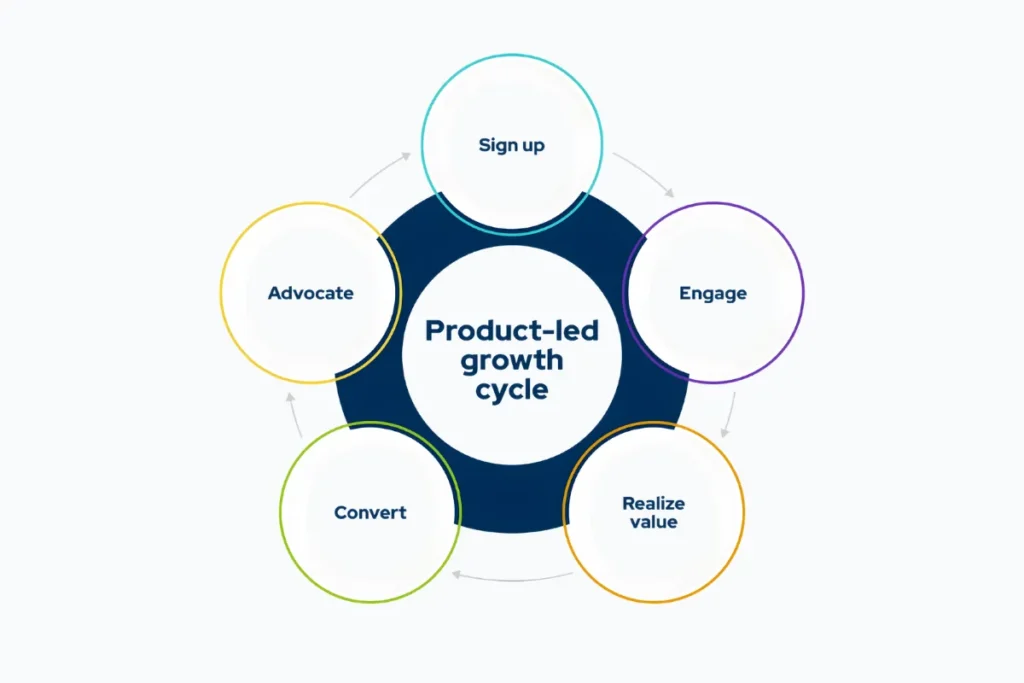
Did you know?
According to data, PLG adoption rose from 45% to 55% among companies in recent years. The PLG market grows at an 18% CAGR globally.
In simple terms:
Marketing doesn’t just bring users to the product. It helps users reach value inside the product.
4 Core Principles of Product-Led Marketing
Product-led marketing works when the product experience becomes the strongest marketing asset.
These four principles ensure your product drives activation, conversion, and revenue, not just sign-ups.
1. Show, Don’t Tell
In traditional marketing, companies describe benefits. In product-led marketing, you demonstrate outcomes inside the product.
Instead of saying:
“Our platform improves team productivity.”
You show:
- Real, ready-to-use templates
- Interactive demos
- Live previews of dashboards
- Sandbox environments where users can explore safely
The product becomes proof.
When users can experience results instead of reading about them, trust builds faster, and objections reduce naturally. This shortens the evaluation cycle and increases conversion probability.
Real Example:
Zapier implements this well.
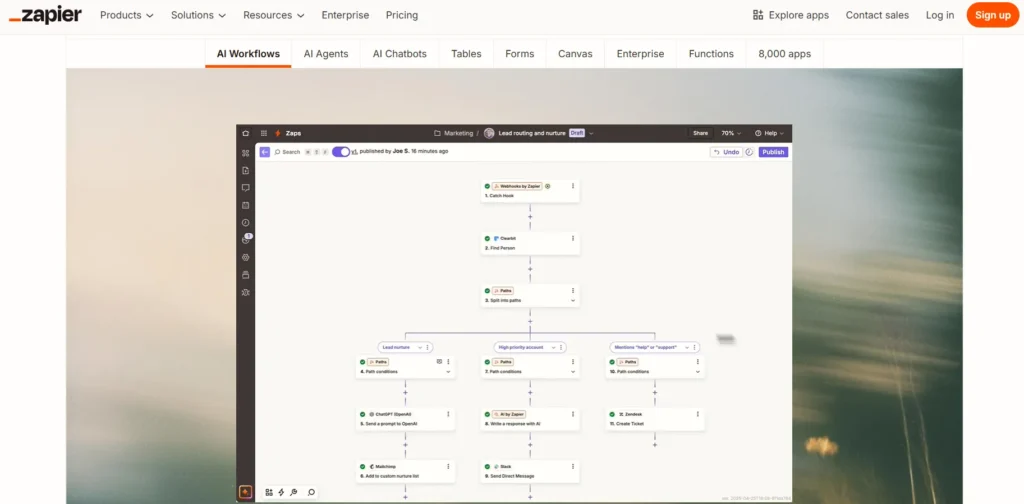
How they apply “Show, Don’t Tell”:
- Their homepage displays real automation workflows (“Zap templates”)
- Users can browse pre-built integrations immediately
- Use-case pages show actual trigger → action examples
- Templates are clickable and ready to try
Instead of explaining the automation conceptually, Zapier shows real workflows like “When a new lead is added in Facebook Ads → Create a row in Google Sheets.” That clarity reduces friction and pushes users directly toward activation.
What to do: Replace feature-heavy landing pages with use-case pages that display real workflows, screenshots, and ready-to-use templates inside your product.
2. Education Over Persuasion
Product-led marketing prioritizes teaching users how to win using the product.
Instead of aggressive CTAs like “Buy Now” or “Upgrade Today,” you:
- Provide guided walkthroughs
- Offer in-app tutorials
- Create use-case-specific onboarding paths
- Share templates users can duplicate instantly
When users understand how to achieve results, conversion becomes natural.
Education reduces friction. It answers silent questions like:
- “How do I set this up?”
- “Is this relevant to my workflow?”
- “Will this actually solve my problem?”
The more confident users feel using your product, the less convincing you need to be.
Practical Tip: Create role-based onboarding (e.g., marketer vs. product manager vs. founder) to increase relevance and activation rates.
3. Value Before Conversion
If users don’t experience value before paywalls appear, conversion drops sharply. Product-led marketing works when users see results first and saas pricing second.
Strong execution ensures:
- A clear Aha moment
- Time-to-Value (TTV) ideally under 10–15 minutes
- Guided actions that lead to meaningful outcomes
- Upgrade triggers based on real usage
Value must precede pricing.
Why under 10 minutes matters:
Attention and motivation are highest immediately after sign-up. If users reach value within 5–10 minutes, intent remains strong. Once TTV crosses 20–30 minutes (or requires multiple sessions), drop-off risk increases significantly.
Good vs Bad TTV ranges:
- Excellent: 3–10 minutes (clear early win)
- Acceptable: 10–20 minutes (guided setup required)
- Risky: 20+ minutes or multiple-session setup before value
Value must precede pricing. When users complete their first workflow, invite teammates, or generate a visible result, they psychologically justify paying. Upgrade prompts should appear after momentum is built, not before.
Practical Tip: Identify the one product event that predicts retention and redesign onboarding to help users reach it faster.
4. Alignment Between Product, Marketing, and Sales
Even strong products fail when teams operate in silos.
Misalignment causes:
- Wrong ICP targeting
- Rising CAC
- Low-quality sign-ups
- Poor handoffs to sales
- Frustration across teams
Product-led marketing requires structural alignment:
- Shared activation metrics
- A unified ICP definition
- Common revenue dashboards
- Clear PQL (Product Qualified Lead) definitions
- Feedback loops between marketing and product
SaaS marketing fails when it drives high volumes of low-fit traffic just to hit lead targets. Product underperforms when it focuses only on feature velocity instead of activation impact. Sales loses efficiency when it ignores the PQL context and treats all leads the same.
Product-led marketing works only when:
- Marketing attracts ICP-aligned users likely to activate
- Product prioritizes features that improve activation, depth, and retention
- Sales engages high-intent PQLs with full usage context
Alignment around activation and revenue progression not isolated team metrics is what makes the system scalable.
All teams must optimize for activation and revenue progression.
Practical Tip: Conduct monthly activation reviews where product, marketing, and sales analyze the same dashboard and agree on one growth priority.
When these four principles work together, your product stops being just a tool users try and becomes the primary driver of sustainable growth.
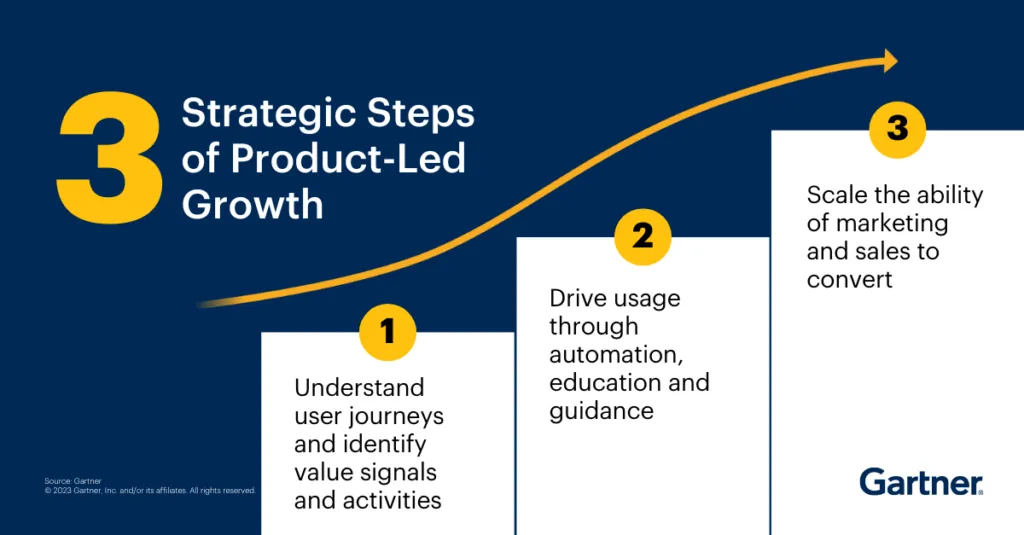
How to Implement Product-Led Marketing Effectively for Your SaaS
Understanding product-led marketing is one thing. Executing it systematically is where real growth happens. These six steps give you a practical roadmap to reduce CAC, improve activation, and increase conversion.
Step 1: Define ICP and Core Use Cases
Avoid broad targeting. Product led marketing works only when you attract users who are most likely to activate, retain, and expand.
Define your ideal customer profile using real data. Clarify industry, role, core pain point, and primary workflow.
To identify your ICP:
- Analyze your top 20 percent highest LTV customers
- Identify shared traits such as industry, company size, and role
- Study which users activated the fastest
- Interview retained customers to understand their core use case
Next, validate the ICP with data. Review:
- Activation rate by segment
- Cohort retention by segment
- Expansion revenue by segment
- CAC by channel and persona
You have to prioritize segments that show faster activation, strong retention, and lower acquisition cost.
A strong ICP typically:
- Reaches the Aha moment quickly
- Shows repeat usage within 7 to 14 days
- Upgrades without heavy discounting
- Aligns with your core product strengths
If a segment requires custom features or heavy hand-holding, it is usually a weak fit for a product-led motion.
Pro Tip: Instead of “All-in-one platform for teams,” position around a specific outcome like “Project reporting for remote product teams.” Specificity improves qualified sign-ups.
Step 2: Identify the Product’s Aha Moment
The Aha moment is when users first experience real value.
To find it, analyze cohorts by comparing retained users (30 to 90 days) with churned users and identify what high-retention users did in their first 7 to 14 days. Look for patterns in early actions.
Validate the action statistically. You have to check:
- Correlation with retention
- Retention curve comparison between users who did vs did not perform the action
- Adequate sample size
- Risk of false positives
If users who complete the action retain significantly more, it is likely your Aha moment.
Instrument it as a product event. You should:
- Track when the Aha occurs
- Measure time from signup to Aha
- Monitor activation rate
Without proper tracking, activation cannot be optimized.
Operationalize it by redesigning onboarding to drive users toward the Aha moment, triggering lifecycle nudges if they stall, tying PQL definitions to it, and using it as your primary activation KPI.
The exact Aha moment varies by product. For example:
- Collaboration tools: Inviting teammates
- Content tools: Publishing the first asset
- Analytics tools: Connecting data sources
Remember the distinction: the Aha moment is the first value realization, while the habit moment is repeated behavior that drives long-term retention.
Track the Aha event closely and push users toward it as quickly as possible.
Did You Know?
Companies that reduce Time-to-Value (TTV) by even 20–30% often see a significant increase in free-to-paid conversion because users reach confidence faster.
Step 3: Design Frictionless Onboarding
Onboarding should reduce effort and help users reach value fast. To improve it, event tracking must be implemented from day one, along with behavioral insights from tools like heatmap tools and session recordings, to see where users hesitate or drop off.
Track key actions such as sign-up completion, first key action (Aha event), feature usage, teammate invites, integrations, and upgrade clicks. Without clean event tracking and behavioral visibility, activation cannot be measured or optimized.
SaaS onboarding typically evolves across four levels:
- Static onboarding – Same flow for every user (e.g., generic product tour). Simple but often irrelevant.
- Guided onboarding – Step-by-step flow toward one clear outcome (e.g., create first project). Improves activation.
- Behavior-adaptive onboarding – Adjusts prompts based on user actions (e.g., nudge integrations if skipped). Increases relevance.
- Predictive onboarding – Uses historical data to guide users toward actions linked to high retention (e.g., prioritize integrations early).
Perfect your onboarding to prevent early departures. Customers who complete structured onboarding show 40–60% higher retention compared to those left to self-implement without guidance. That difference directly impacts expansion revenue and long-term growth.
Instead of overwhelming users with configuration tasks, design onboarding around visible progress.
Reduce:
- Form fields
- Setup complexity
- Feature overload
- Early paywalls
Add:
- Progress indicators
- Checklists
- Contextual tooltips
- Outcome-focused milestones
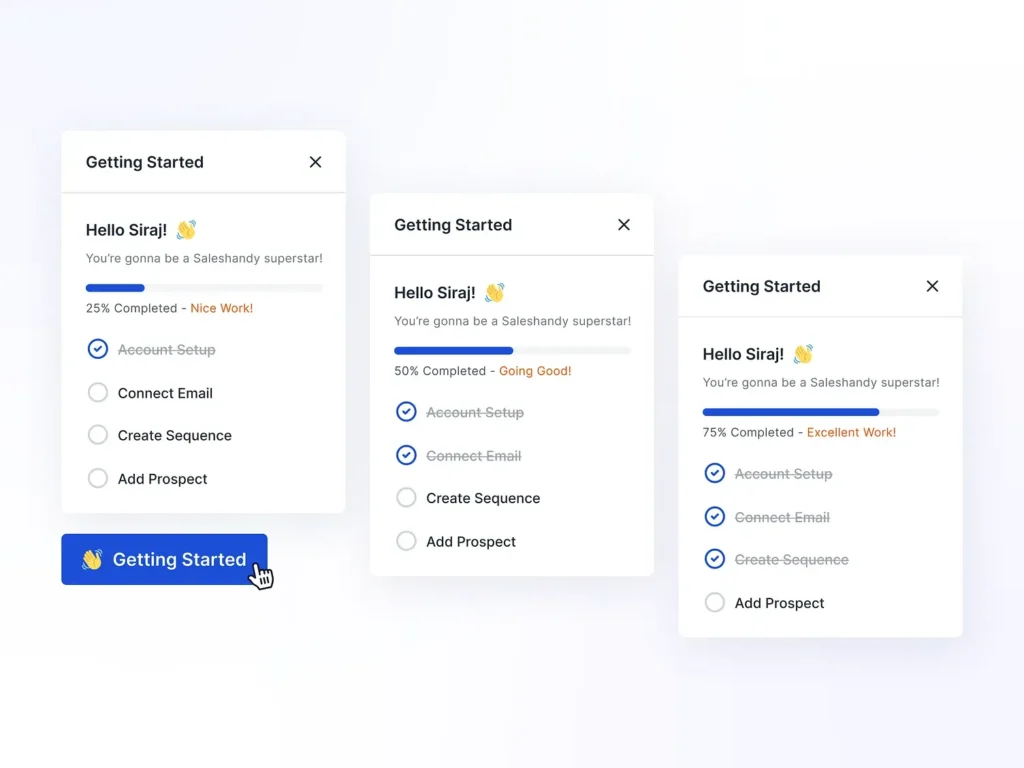
Onboarding should guide users to value, not to configuration.
If your onboarding feels like setup work, users will delay action. If it feels like progress, they continue.
Measure “Drop-off After Signup.” If users leave before completing the first meaningful action, your friction is too high.
Step 4: Build Product-Integrated Content Assets
Generic blogs bring traffic. Product-integrated content drives activation.
However, content must also earn authority. High-performing SaaS companies invest in strategic linkable assets that attract backlinks while guiding users toward interactive product experiences.
Instead of surface-level content:
- Use interactive demos
- Share ready-to-use templates
- Embed use-case walkthroughs
- Publish workflow tutorials
- Create comparison pages with live product previews
Content should naturally transition users into the product.
For example:
A blog about “How to Build a Marketing Dashboard” should include a template that users can duplicate inside your product immediately.
The closer the content is to product experience, the lower your CAC becomes.
Step 5: Connect Product Data to Campaign Execution
This is where most SaaS companies fail. Product-led marketing only works when real product behaviour directly triggers marketing and sales actions — not manual lists or fixed schedules.
Use product signals to trigger:
- Upgrade emails
- Retargeting ads
- Sales outreach
- Feature education campaigns
- In-app nudges
Example:
If a user hits usage limits → trigger an upgrade email within 1 hour.
If a user invites teammates → trigger the collaboration feature education.
Marketing should react to user behavior, not calendar schedules.
To make this work, you need the right infrastructure:
- Product analytics tools (e.g., tracking events, feature usage, activation milestones) to identify meaningful behaviors
- Data warehouse to centralize product, marketing, and revenue data
- Customer Data Platform (CDP) to unify user profiles across tools
- Reverse ETL tools to push warehouse data back into marketing and CRM systems
- Lifecycle automation platforms to trigger emails, ads, and in-app messaging based on behavior
Define Product-Qualified Leads (PQLs) clearly and route them to sales with context (usage history, feature adoption, account size).
In contrast to Marketing Qualified Leads (MQLs), PQLs are triggered by real product behavior.
Step 6: Optimize Activation, Expansion, and Retention
Acquisition alone does not drive sustainable growth.
Focus on:
- Activation rate
- Feature adoption
- Expansion triggers
- Churn cohorts
- Revenue per account
Analyze user journeys:
- Where do users drop off?
- Which features correlate with long-term retention?
- What behaviors predict upgrades?
Expansion often comes from usage depth, not aggressive upselling. The more embedded your product becomes in a user’s workflow, the more natural upgrades feel.
Now, here’s how to think diagnostically:
- If activation is low (for example, below your target benchmark) → Fix onboarding. Simplify setup, reduce friction, and guide users faster to the Aha moment.
- If activation is strong but expansion is weak → Fix depth. Improve feature adoption, highlight advanced workflows, and create clear upgrade triggers tied to usage.
- If retention drops early (first 7–30 days) → Fix first-session value. Users are not experiencing meaningful outcomes quickly enough.
Growth metrics are connected:
When activation improves, Customer Acquisition Cost (CAC) decreases.
When expansion improves, Customer Lifetime Value (LTV) increases.
When retention improves, growth compounds.
Stat:
According to Harvard Business Review, increasing customer retention by just 5% can increase profits by 25% to 95%.
Product-led marketing is not one tactic.
It is a continuous loop of:
Attract → Activate → Analyze → Optimize → Expand
When executed properly, it turns your product into your most efficient marketing channel.
4 Examples of Product-Led Marketing by Global SaaS Brands
Most people already know these brands and what their products do. What’s more interesting is how they implemented product-led marketing strategically, not just offering a freemium plan, but intentionally designing growth around product experience, user behavior, and expansion triggers.
Here’s how each company applied product-led marketing principles in practice.
1. Slack
Slack didn’t just launch a free version. They engineered collaboration into the core growth strategy.
Product-Led Marketing Strategy Implemented:
- Optimized onboarding around inviting teammates (activation trigger)
- Made collaboration impossible without adding more users
- Used message history limits as a contextual upgrade trigger
- Leveraged in-product sharing to drive organic acquisition
Instead of relying on outbound sales, Slack allowed internal team usage to expand accounts naturally. The more conversations teams had, the more locked history became valuable, increasing upgrade urgency.
Their strategy: Turn collaboration into distribution.
2. Canva
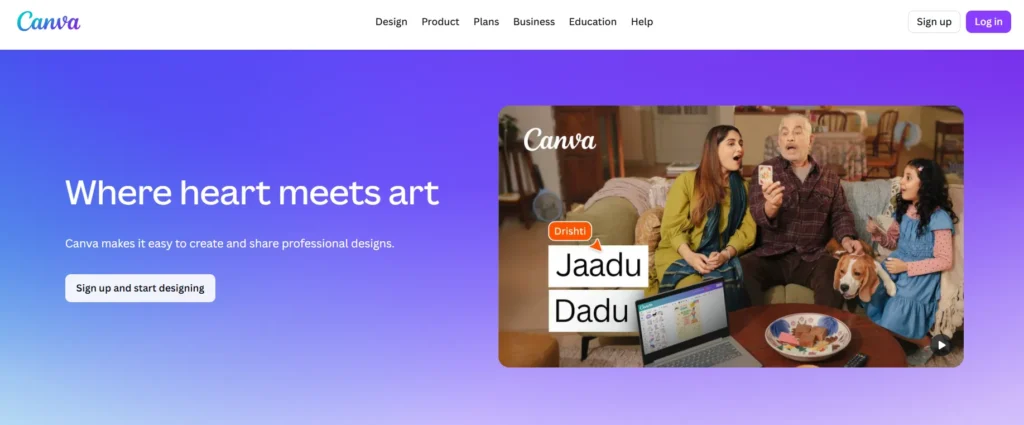
Canva focused heavily on removing friction between sign-up and outcome.
Product-Led Marketing Strategy Implemented:
- Delivered templates instantly to eliminate blank-canvas friction
- Structured onboarding around “Create your first design.”
- Used shareable outputs to drive brand exposure
- Gated premium assets strategically to prompt upgrades
Canva’s key strategy was compressing Time-to-Value. Users could produce something tangible within minutes.
That immediate output builds confidence. Once users depend on templates or brand kits, upgrading feels like a natural extension of the workflow.
Their strategy: Make success visible immediately.
3. Grammarly

Grammarly used deep workflow integration as its product-led marketing advantage.
Product-Led Marketing Strategy Implemented:
- Integrated directly into browsers and writing platforms
- Delivered real-time micro-value through corrections
- Showed locked premium suggestions to create an upgrade desire
- Reinforced usage with weekly performance insights
Instead of driving users back to a dashboard, Grammarly keeps value visible in real time. Every correction reinforces relevance.
Premium features are revealed contextually not through hard sales pushes, but through demonstrated improvement potential.
Their strategy: Let daily usage create conversion intent.
4. Dropbox
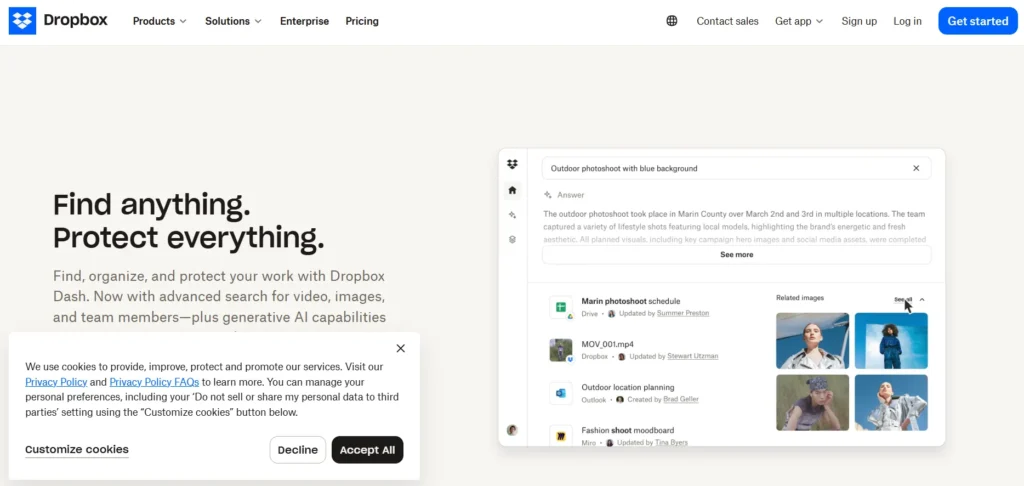
Dropbox turned file sharing into a marketing engine.
Product-Led Marketing Strategy Implemented:
- Offered free storage to remove entry barriers
- Incentivized referrals with additional storage
- Designed file sharing as a natural invitation mechanism
- Triggered upgrade prompts when storage limits were reached
Every shared file became a potential acquisition moment. Referral rewards encouraged users to promote the product voluntarily.
Rather than scaling purely through paid ads, Dropbox built growth directly into product behavior.
Their strategy: Convert product actions into acquisition channels.
How Product-Led Marketing Works Best Across All Channels
1. AI Search
Product-led marketing is not limited to onboarding. It works best when every acquisition and retention channel connects users back to the real product experience.
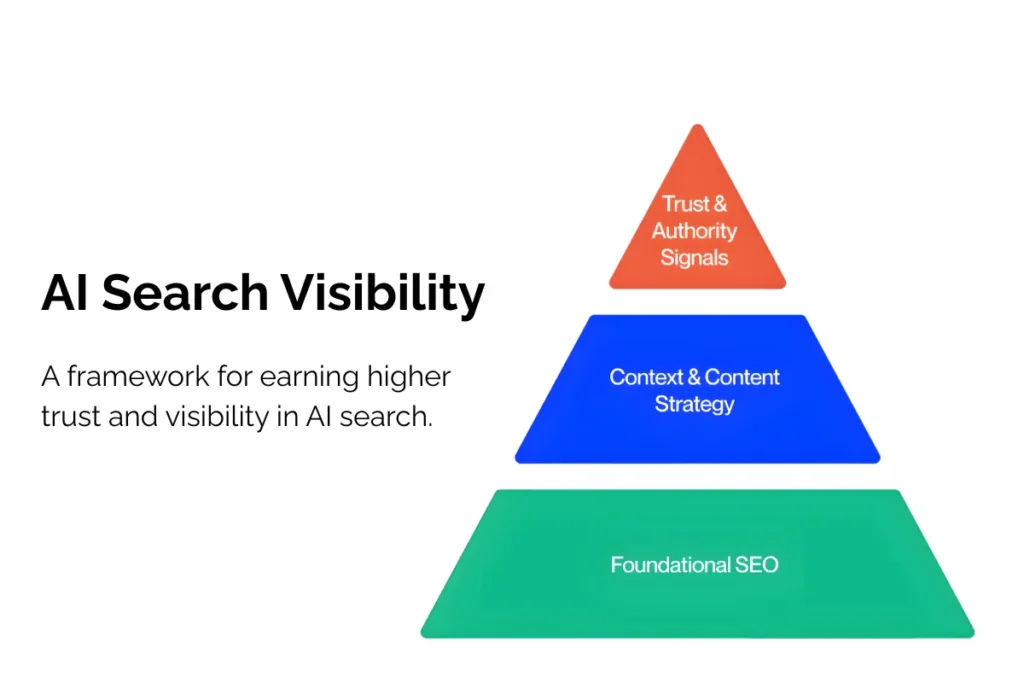
AI-driven search surfaces direct, intent-heavy answers. Your product-led strategy should ensure users discover solutions tied to real workflows, not just informational content.
As AI-powered discovery expands, SaaS companies must think about AI search visibility and how their product use cases appear inside conversational search results.
- Optimize for conversational, problem-based queries
- Structure content around clear use cases and outcomes
- Provide step-by-step answers supported by product screenshots or demos
- Link directly to interactive experiences or free trials
- Focus on clarity and practical implementation, not abstract explanations
2. Organic Search
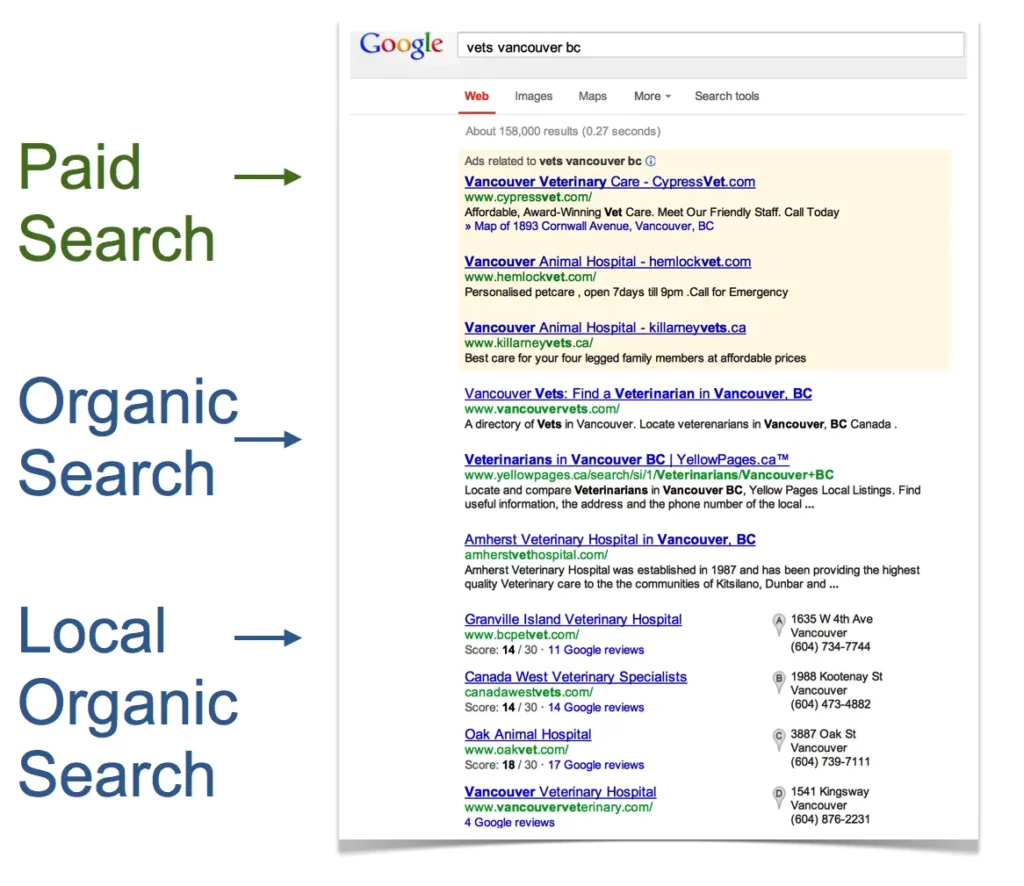
Organic search attracts users actively trying to solve a problem. Product-led marketing ensures that search traffic moves quickly from reading to experiencing value.
If you want to understand how organic visibility connects to conversion, study how the SaaS marketing funnel actually works in practice. Product-led strategies ensure that every stage of that funnel connects directly to real product experience instead of isolated content.
Rank for:
- “How to solve [specific problem]”
- Comparison and alternative pages
- Integration-related keywords
- Industry-specific workflow queries
- Embed product-led CTAs naturally inside content
- Offer templates, tools, or checklists tied to the topic
- Guide readers toward the Aha moment, not just the homepage
3. Paid Acquisition
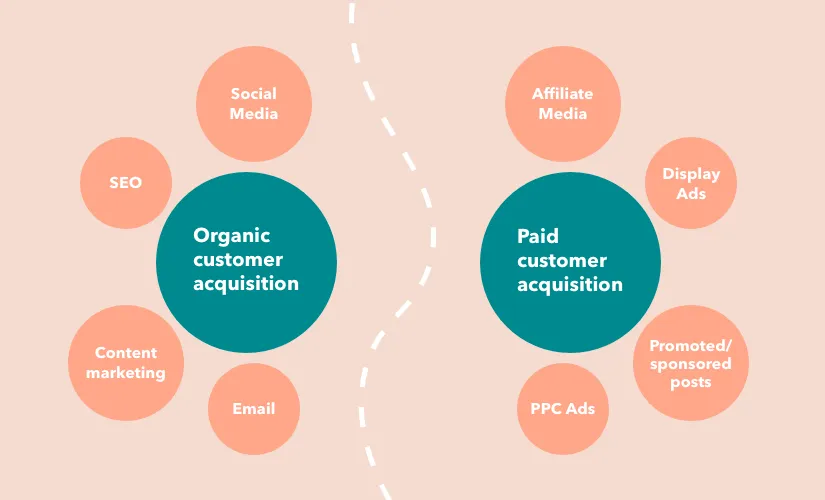
Paid channels amplify reach, but traffic must land in product experience, not just feature descriptions.
- Drive traffic to interactive demos
- Promote free templates or tools
- Use case-specific landing pages
- Highlight real outcomes instead of feature lists
- Align ad messaging with in-product experience
4. Email Marketing
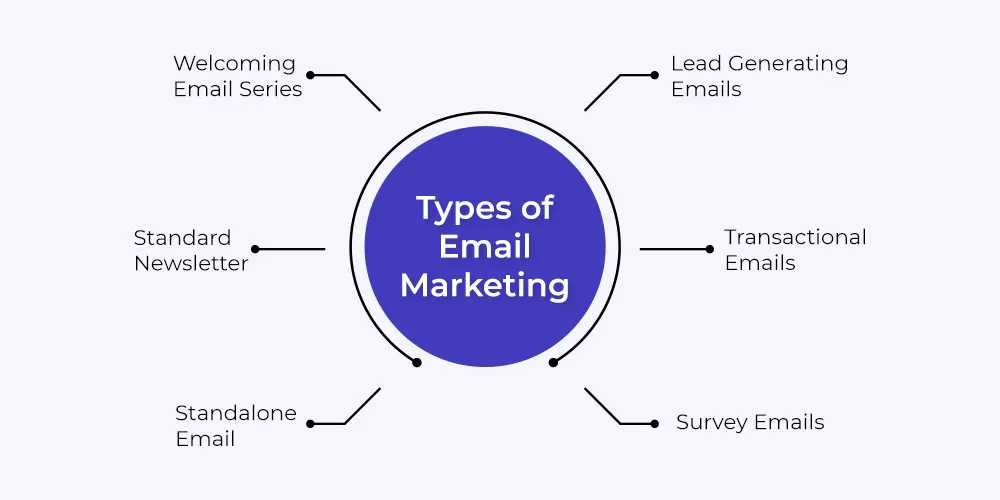
Email works best when triggered by behavior, not schedules. Product signals should determine what users receive and when.
Trigger emails based on:
- Inactivity
- Feature adoption
- Upgrade thresholds
- Milestone achievements
- Trial expiration proximity
- Personalize content based on usage patterns
- Include direct in-product action links
- Reinforce progress toward value
5. Landing Pages
Landing pages should reduce friction between interest and activation. The goal is to show the product solving a real workflow.
- Display real product UI
- Demonstrate step-by-step workflows
- Use testimonials tied to specific outcomes
- Focus on one activation goal
- Remove generic or vague marketing language
6. Review Platforms
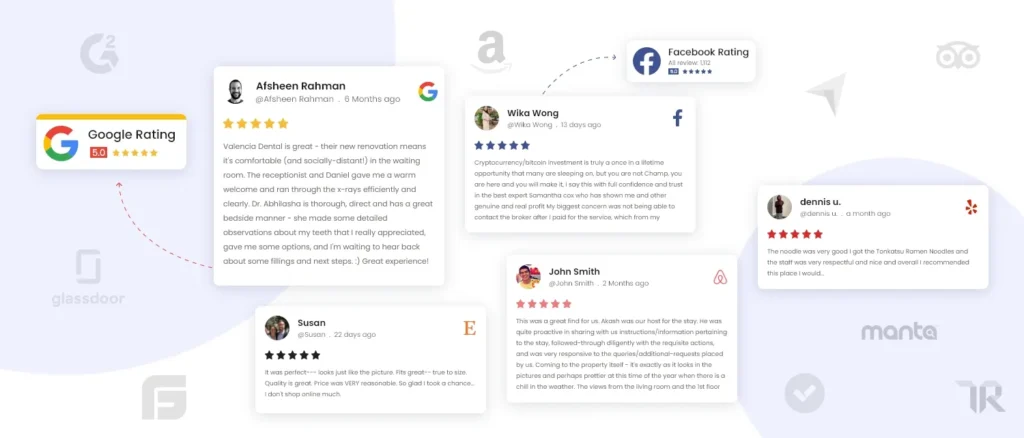
Review platforms influence high-intent buyers. Product-led marketing ensures reviews highlight actual usage value.
- Encourage reviews after activation milestones
- Ask for workflow-specific feedback
- Showcase feature-specific testimonials
- Respond to feedback with product updates
7. Community
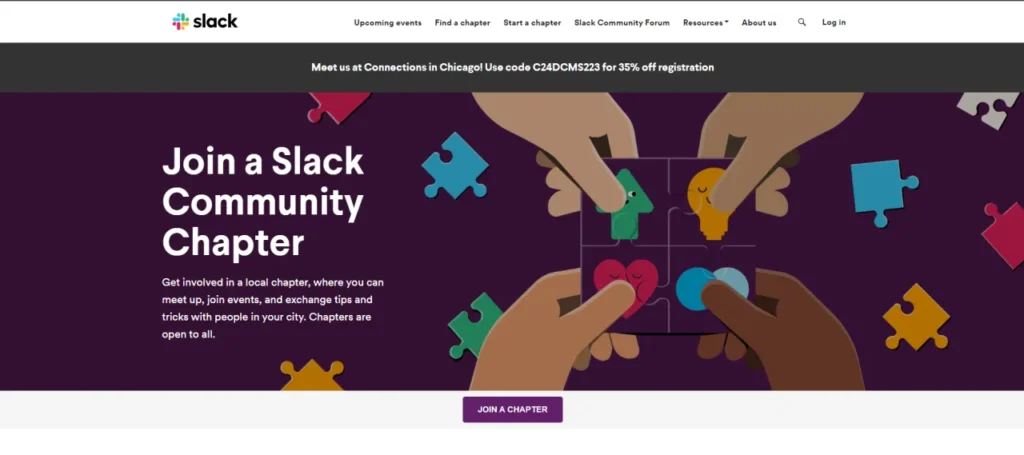
Community strengthens product adoption and expansion. It creates an environment where users learn from each other.
Build:
- User groups by role or industry
- Feature discussion threads
- Live use-case workshops
- Peer-led knowledge sharing
Strong communities improve retention, increase feature adoption, and generate organic referrals.
Top 6 KPIs to Measure Product-Led Marketing Success
Product-led marketing is measurable. If you cannot track activation, usage progression, and revenue movement, you are not running a product-led system; you are running experiments without feedback.
Below are the most important SaaS KPIs and how to calculate each one.
1. Activation Rate
The percentage of users who reach your defined Aha moment.
Activation is the bridge between sign-up and real value. If this number is low, no amount of acquisition will fix growth.
Formula:
Activation Rate = (Users who completed Aha event ÷ Total sign-ups) × 100
Example:
- 1,000 new sign-ups
- 350 users create their first project (Aha event)
Activation Rate = (350 ÷ 1,000) × 100 = 35%
Higher activation usually reduces CAC because more users convert without additional spend.
2. Time to Value (TTV)
The time it takes for a user to experience their first meaningful outcome.
Shorter TTV increases conversion probability.
Formula:
TTV = Time of Aha event − Time of sign-up
If users sign up at 2:00 PM and complete the first meaningful action at 2:12 PM:
TTV = 12 minutes
Track median TTV across cohorts. Reducing TTV by even 20% can significantly improve conversion rates.
3. Product-Qualified Leads (PQLs)
Users who show high-intent behavior inside the product.
Unlike Marketing Qualified Leads (MQLs), PQLs are based on usage signals.
Basic Formula:
PQL Rate = (Users meeting PQL criteria ÷ Total active users) × 100
Example PQL criteria:
- Invited 3+ teammates
- Used advanced feature 5+ times
- Reached 80% of usage limit
Define PQLs clearly and route them to sales with usage context.
4. Expansion Revenue
Revenue generated from existing customers upgrading or expanding usage.
Product-led systems should increase expansion revenue over time.
Formula:
Expansion Revenue = Revenue from upgrades + Add-ons + Seat increases
To measure rate:
Expansion Rate = (Expansion Revenue ÷ Total Revenue at Start of Period) × 100
Strong expansion reduces dependence on new customer acquisition.
5. Customer Acquisition Cost (CAC)
How much do you spend to acquire one paying customer?
Product-led marketing aims to reduce CAC by improving activation and organic growth loops.
Did you know?
According to data, customer acquisition costs have increased by more than 60% in recent years, making efficient activation and conversion more critical than ever.
Formula:
CAC = Total Sales + Marketing Spend ÷ Number of New Paying Customers
Example:
- $50,000 spent
- 250 new paying customers
CAC = 50,000 ÷ 250 = $200
If activation improves, CAC usually drops because more free users convert according to the latest CAC benchmark.
6. Revenue Velocity
Revenue velocity reflects how efficiently users move through the revenue funnel, impacting both Annual Recurring Revenue (ARR) and Monthly Recurring Revenue (MRR).
Formula:
Revenue Velocity = (Number of Deals × Average Revenue per Account × Win Rate) ÷ Sales Cycle Length
In product-led models, shorter sales cycles and higher self-serve conversions increase velocity.
You can also measure:
- Average days from sign-up to paid
- Cohort-based revenue progression
Faster revenue velocity improves cash flow and scalability.
Product-led marketing is not about more traffic. It is about improving how efficiently users move from discovery to revenue.

Why Product-Led Marketing Matters Today
Customer acquisition is becoming more expensive, buyers are more independent, and traditional sales-heavy approaches are taking longer to close.
In this environment, relying only on messaging and outbound efforts is not enough.
Insights:
According to the report, 70% of B2B buyers prefer self-service or remote interactions over traditional sales conversations. Buyers want to explore, evaluate, and validate solutions on their own before speaking to sales.
Beyond paid acquisition, many SaaS brands are also strengthening authority through strategic outreach and content partnerships, often working with specialists who hire SaaS link builder teams to accelerate visibility and attract qualified traffic.
Here’s why it matters now:
- On the ongoing PLG vs SLG debate, rising customer acquisition costs are pushing many SaaS companies toward product-led acquisition models.
- Buyers prefer self-serve experiences before engaging with sales
- Sales cycles are becoming longer due to multiple stakeholders and approvals
- Trust is built through real product experience, not marketing promises
- It reduces friction between discovery and decision-making
- It aligns with how modern buyers evaluate software through hands-on usage
Product-led marketing aligns with how modern buyers evaluate software: through hands-on experience, not just persuasion.
When product-led marketing does not work
It struggles when:
- Onboarding is complex
- Product lacks clear differentiation
- ICP is unclear
- Enterprise deals require heavy customization
- Product data is not connected to marketing systems
If your SaaS is getting traffic but struggling with activation or expansion, the issue is rarely acquisition alone; it’s often a breakdown between messaging and product experience.
We help SaaS teams identify activation gaps across the full funnel from first click to expansion and redesign growth around product signals, not vanity metrics.
Product-led marketing only works when product experience and marketing execution move together.
Final Thoughts
Product-led marketing is not a short-term trend or a tactic you test for one quarter. It is a structured and measurable growth approach that connects product experience directly to revenue outcomes.
When implemented correctly, it transforms how acquisition, activation, and expansion work together.
If your SaaS is generating traffic but struggling with activation, conversion, or rising acquisition costs, it may be time to rethink how product and marketing work together.
Want help building a product-led marketing system that drives measurable growth? Contact us to discuss how we can align your product experience with a revenue-focused strategy.
FAQs
1. How much product maturity is required before implementing product-led marketing?
You don’t need a fully mature product, but you do need stable onboarding, a clear value proposition, and a measurable activation event. Early-stage products can implement product-led marketing, but the fundamentals must be in place so users can consistently reach value.
2. Can product-led marketing work if onboarding is not optimized yet?
Not effectively. Onboarding is the foundation of activation and conversion. If users cannot quickly understand or experience value, product-led marketing efforts will struggle regardless of traffic volume.
3. How do you prevent free users from increasing costs without converting?
You control this through structured usage limits, feature gating, contextual upgrade nudges, and routing high-intent users to sales using PQL-based outreach. The goal is to encourage upgrades at natural value milestones rather than restricting them.
4. What organizational changes are required?
Product-led marketing requires shared activation metrics, cross-functional dashboards, clear PQL definitions, and strong collaboration between product, marketing, and sales. Teams must align around revenue progression, not isolated KPIs.
5. How do you balance brand storytelling with product-led tactics?
Use storytelling to attract attention and communicate positioning, but rely on product experience to convert. Brand builds interest; product builds confidence.
6. How does product-led marketing affect enterprise sales cycles?
It typically shortens evaluation time because enterprise buyers can explore the product before engaging with sales. By the time conversations begin, prospects are more informed and aligned on use cases.
7. What budget shifts are required?
More SaaS marketing budget moves toward product experience improvements, analytics infrastructure, and lifecycle marketing. Over time, reliance on broad paid acquisition decreases as activation and expansion improve efficiency.
8. How do you attribute revenue when the product is the primary marketing channel?
Revenue attribution must include product events such as first touch, activation milestones, upgrade triggers, and sales assists. Without product-level tracking, attribution will remain incomplete.
9. What are the biggest reasons product-led marketing initiatives fail?
Common reasons include poor ICP targeting, weak onboarding, lack of product-data integration with marketing systems, and misalignment between teams. Without these foundations, execution breaks down.
10. How long does it take to see a measurable revenue impact?
You may see activation improvements within 60–90 days, measurable CAC reduction within 3–6 months, and stronger revenue velocity gains within 6–12 months. The speed of results depends on consistent execution and cross-team alignment.

