


Have you noticed how searching for answers today feels completely different from even a few years ago? Instead of scrolling through pages of results, people now want instant, direct answers.
They want clarity without the noise. This shift has changed the way we discover information and it’s changing how brands get found online.
AI-powered tools like ChatGPT, Perplexity, and Gemini are becoming everyday search companions. Millions of users now ask these tools for recommendations, explanations, product comparisons, and even buying advice.
In many cases, they rely on AI more than traditional search engines.
This new behavior has created two worlds of search happening at the same time:
- Traditional search (Google, Bing, Yahoo)
- AI-driven answer search (ChatGPT, Perplexity, Gemini, Google AI Overviews)
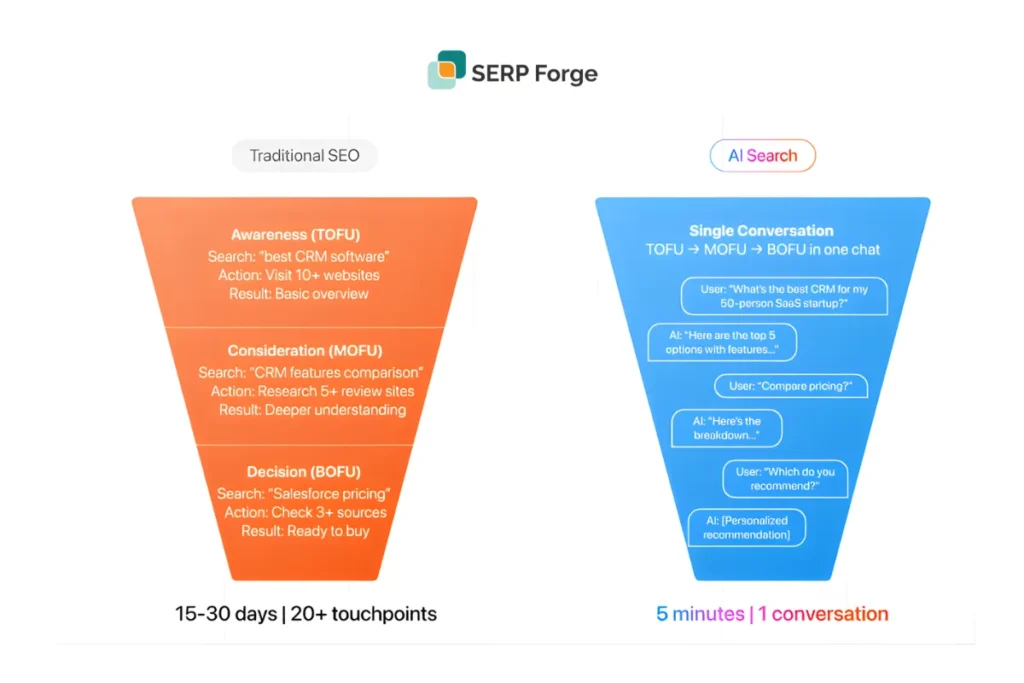
To stay visible across both, brands need to understand how SEO, GEO, and content work together and why they matter.
Here’s the simplest way to think about it:
- SEO = Optimizing your content for traditional search engines.
- GEO = Optimizing your content so AI tools can understand, extract and cite it.
As the search landscape evolves, mastering both has become essential for staying visible, relevant, and discoverable in a world where users expect answers instantly.
What is SEO (Search Engine Optimization)?
SEO is the practice of improving your website so it ranks higher on traditional search engines like Google, Bing, and Yahoo. It helps your pages show up when people type in searches related to your business.
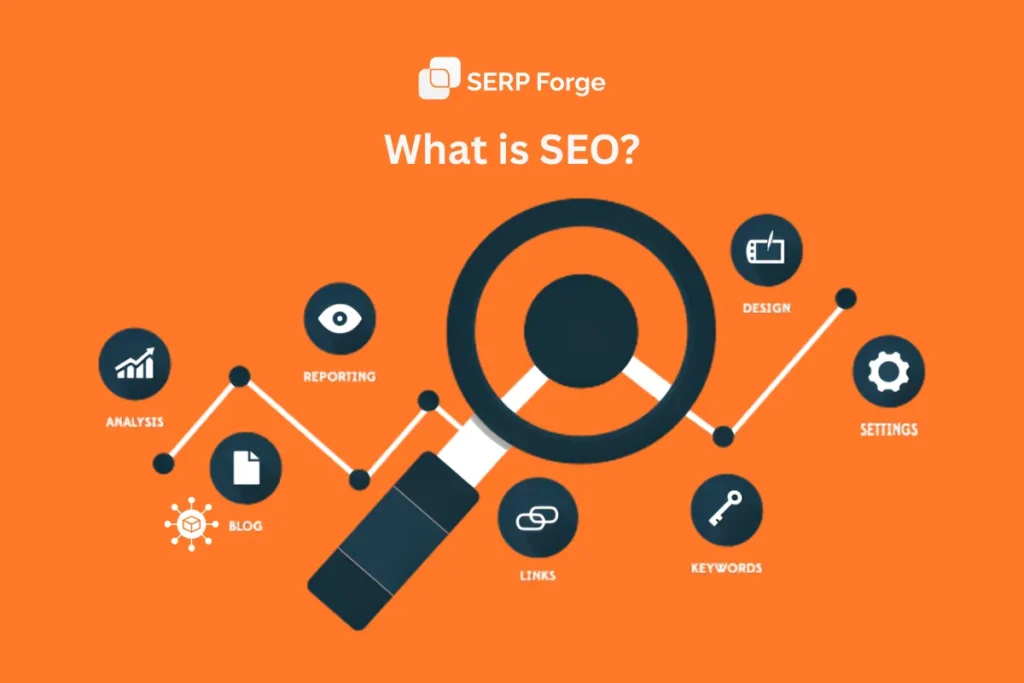
Core elements
- Keyword research & placement: Identifying what people search for and naturally using those terms in your content.
- On-page optimization: Improving titles, meta descriptions, headings, URLs, and content structure.
- Content quality & relevance: Publishing helpful, engaging, and clear content through strong content marketing that answers users’ questions thoroughly.
- Backlinks & authority building: Getting links from reputable websites acts as a trust signals that boost rankings.
These backlinks pass link equity (often called “link juice”), which transfers authority from one site to another and helps specific pages rank higher. - Technical SEO: Improving site speed, mobile responsiveness, security (HTTPS), internal linking, and site architecture.
All these elements work together to help search engines understand and rank your website.
How SEO Works
Search engines use ranking systems to identify which pages offer the most helpful, relevant, and trustworthy information. These systems evaluate hundreds of signals—content quality, keywords, backlinks, expertise, and user experience.
Google clearly explains this process in its official documentation.
Take a look at Google’s official guidelines here.
SEO aligns your website with these principles so your pages become easier for Google to understand, rank, and recommend.
SEO example:
Imagine someone searches for “best CRM software for small businesses.”
A blog that ranks high on Google likely:
-uses the keyword naturally
-includes a well-structured comparison
-has backlinks from trusted tech websites
-loads fast and is easy to navigate
Because it ticks all these SEO boxes, Google considers it a strong match and ranks it higher.
What is GEO (Generative Engine Optimization)?
Generative Engine Optimization (GEO) is about optimizing your content so AI tools like ChatGPT, Perplexity, Gemini, or Google’s AI Overviews recognize, quote, and recommend your brand in their answers.
- SEO helps you rank links in Google’s search results.
- GEO helps your content become visible inside AI-generated responses.
To achieve this, your content must be clear, structured, verifiable, and trustworthy so that AI systems treat it as a reliable source.
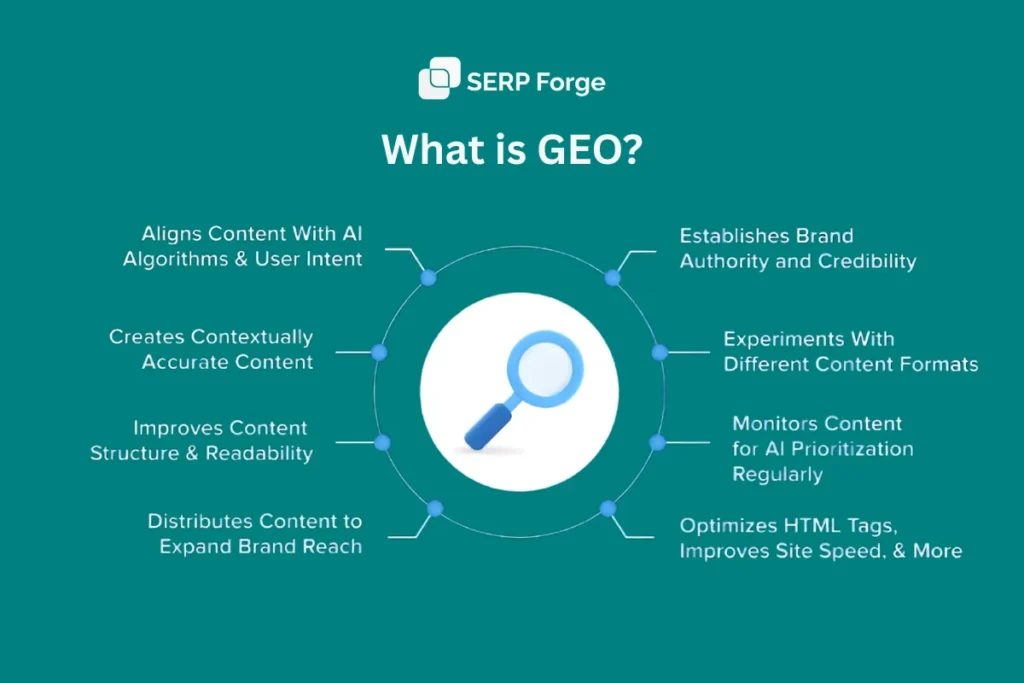
Core elements:
- Answer-first content: Start sections with direct, clear answers that AI can easily pull.
- Structured formatting: Use headings, lists, tables, and short paragraphs so AI can understand the content layout.
- E-E-A-T signals: Show expertise, experience, authority, and trust. AI prefers authoritative content.
- Fact-checkable, concise writing: Include specific details, statistics, and data that AI can verify.
- Schema & Structured Data (optional but beneficial): Helps AI tools interpret key points like FAQs, definitions, and product info.
How GEO Works
AI-driven engines like ChatGPT, Perplexity, Gemini, and Google AI Overviews read the web, extract useful information, and generate synthesized answers. They prioritise content that is:
- structured clearly
- factual and verifiable
- concise and answer-ready
- aligned with E-E-A-T principles
- easy for LLMs to interpret
Google’s own documentation confirms that AI-powered features rely on structured, helpful, clearly formatted content to surface high-quality information.
This proves that GEO-friendly formatting (clear definitions, structured sections, factual clarity) directly increases your chances of being included in AI-generated answers.
You can also reference industry research analysing how LLMs extract and cite content: ChatGPT vs Google
This analysis shows how AI tools pull structured snippets, summaries, and definitions, reinforcing why GEO matters.
GEO example:
If someone asks Perplexity:
“What is generative engine optimization?”
A well-structured blog might be cited because it includes:
a definition at the top
a- short explanation
-bullet points summarizing key concepts
-factual clarity
-clean structure
Perplexity or ChatGPT may pull a sentence like:
“Generative Engine Optimization (GEO) is the practice of preparing content so AI tools can easily interpret and reference it.”
This happens because the content is clearly written, well-organized, and optimized for AI extraction.
SEO vs GEO: What Should You Focus On More
This section addresses your feedback: “What should you focus more on and why?”
Most brands today are shifting attention toward “ranking on ChatGPT,” but the actual data paints a very different picture of where your effort should go.
A recent analysis shared in this LinkedIn post highlights how the hype around AI search is misleading many brands.
According to a recent Ahrefs Web Analytics dataset (50,000+ sites):
- Google drives 40.31% of traffic
- ChatGPT drives only 0.24%
At this rate, ChatGPT would take 3+ years just to reach 1% traffic share.
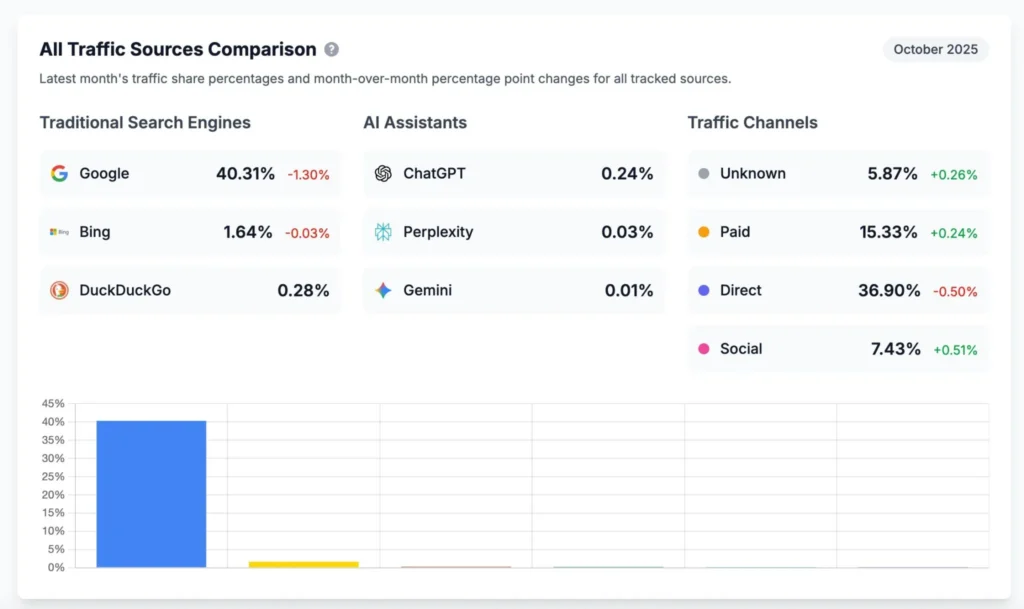
This means SEO continues to be the primary channel for discoverability, while GEO plays a supporting role focused on visibility inside AI responses.
If your goal is long-term traffic → Prioritize SEO
SEO remains the strongest channel for:
- sustainable organic traffic
- commercial and transactional intent
- product research and decision-making
- conversion-oriented journeys
- authoritative rankings over time
SEO is still essential for stable, owned visibility.
If your goal is future-proof brand visibility → Prioritize GEO
GEO matters because user behaviour is shifting:
- More percentage Of searches now end without a click
- AI engines answer directly, bypassing websites
- Perplexity and ChatGPT are becoming “search companions.”
- Google AI Overviews are taking large portions of SERP visibility
GEO ensures your brand still appears inside the answers, even when users never click through.
GEO vs SEO: A complete comparison
GEO and SEO both help your brand get discovered, but they work in two different worlds. Here’s a quick side-by-side look at how they differ:
| Aspect | GEO (Generative Engine Optimization) | SEO (Search Engine Optimization) |
| Goal | Get mentioned or cited inside AI-generated answers (ChatGPT, Perplexity, Gemini, Google AI Overviews) | Rank your webpages on Google’s search results |
| Target Platforms | AI-powered engines: ChatGPT, Perplexity, Bard/Gemini, Google AI Overviews | Traditional search engines: Google, Bing, Yahoo |
| Ranking Method | Based on AI extraction, understanding, and synthesis | Based on search algorithms with 200+ ranking factors |
| Optimization Focus | Clear structure, E-E-A-T signals, complete topic coverage | Keywords, backlinks, content depth, and technical SEO |
| Content Style | Answer-first, citation-ready, easy for AI to verify | Long-form, keyword-optimized, crafted for user clicks |
| Key Metrics | AI response inclusion, citation frequency, answer accuracy, conversation engagement | Organic traffic, keyword rankings, CTR, backlink quality |
| User Behavior | Consumes information directly from AI responses | Clicks through to the website for answers |
| Traffic Source | Mentions and references in AI-generated answers | Direct visits from search results |
| Update Frequency | Changes based on new model training and AI behavior | Changes based on algorithm updates (periodic) |
| Tools | GEO platforms and AI-visibility tools | GSC, Ahrefs, SEMrush, and other SEO suites |
Why GEO matters now
People are no longer waiting to scroll through long search results; they want instant, direct answers.
As AI chat tools become the go-to source for quick information, brands must adapt to stay visible where users are actually searching.
Shift in search behavior
The way people search for information is changing quickly.
Users no longer rely only on Google for quick answers; they’re increasingly turning to AI assistants like ChatGPT, Perplexity, and Gemini.
Did you know?
Around 35.49% of people now use AI tools every day. Research shows 84.58% of users have increased their AI usage in the last year.
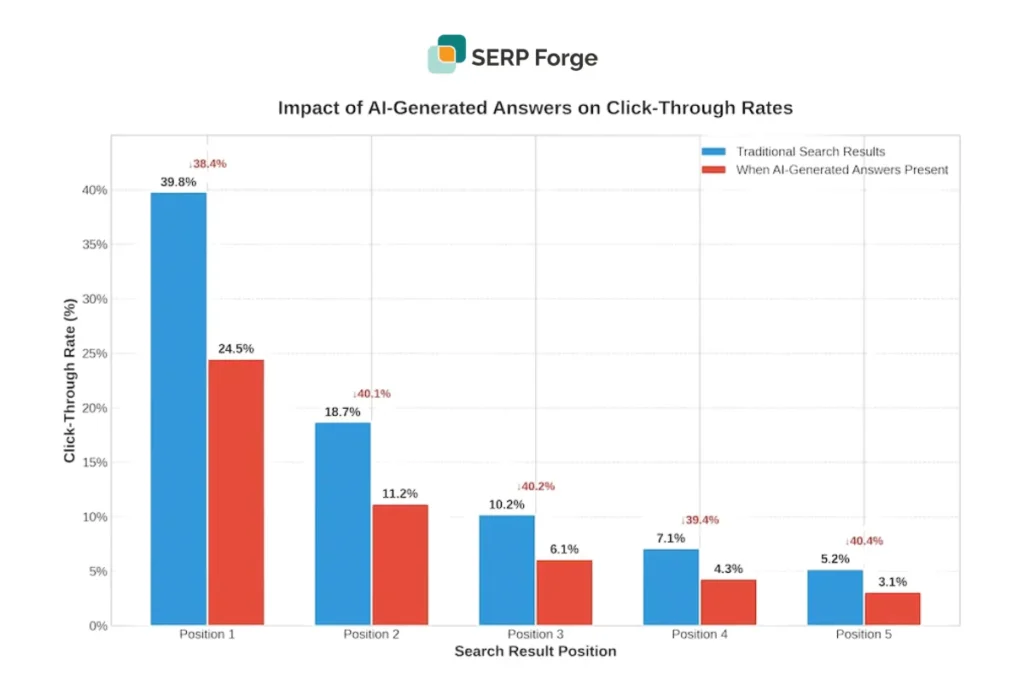
Nearly 60% of searches now end without a click, as answer engines like ChatGPT and Perplexity give users information directly without sending them to a website.
This shift means brands must ensure their content is not only searchable on Google but also extractable and visible in AI-driven answers. GEO addresses this need.
AI tools are becoming “gatekeepers” by giving answers directly, often without sending users to websites.
The latest data showed a 25% decline in search traffic, with some creators likely to experience sharper drops while others could see more stable results.
This means that even if your website ranks #1 on Google, users may never see or click that link if an AI model provides the summary itself.
GEO ensures your content is part of those summaries. Instead of relying on search clicks alone, your brand becomes part of the AI’s answer.
Brand Visibility Inside AI
GEO focuses on making your content “AI-visible,” meaning it gets cited or referenced inside AI-generated responses.
AI models prefer:
- Clear, structured content
- Expert-backed insights
- Verifiable facts
- Consistent topical authority
When your content is optimized for GEO:
- AI is more likely to quote your brand,
- Pull your insights,
- Or list your products/services in recommendation-style answers.
Early adopters of GEO are already seeing increases in branded mentions inside AIOs, similar to how early SEO adopters gained an advantage in Google’s early years.
Why SEO Still Matters
Even with the growth of AI tools, most people still rely on Google for product research, local searches, and decision-making.
Traditional search engines continue to drive massive daily traffic, making SEO essential for long-term visibility.
Traditional Search Still Dominates
Despite AI’s rapid rise, traditional search remains dominant.
Google processes over 8.5 billion searches every day.
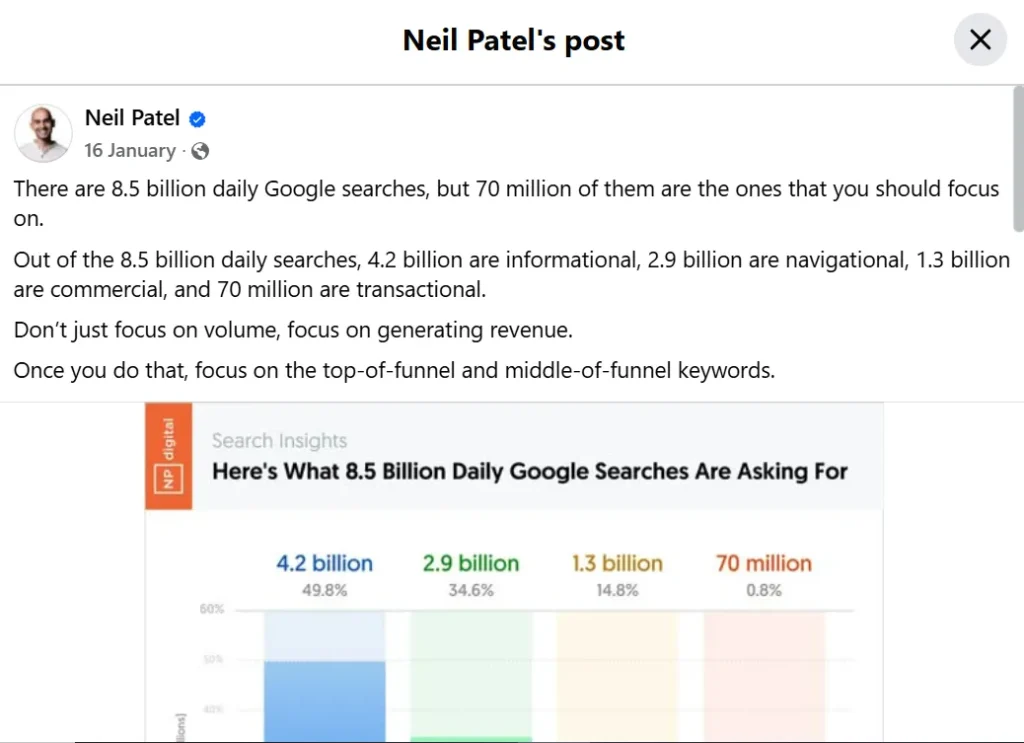
For commercial, navigational, and local-intent searches, SEO continues to be the primary discovery channel.
SEO Builds Long-Term Authority
SEO is a compounding investment. Every high-quality article, backlink, and update adds long-term value.
- Websites ranking organically enjoy a sustained flow of traffic for years.
- Backlinks act as long-term authority signals; one strong link can influence rankings across multiple pages.
- Google’s E-E-A-T framework rewards brands that consistently publish high-quality, helpful content.
SEO builds digital “trust equity” over time, something GEO alone cannot replace.
Traffic Ownership
One of the biggest advantages of SEO is ownership.
With SEO:
- Users click directly to your website.
- You own the relationship, data, and customer journey.
- You can drive conversions, build remarketing lists, and collect insights.
AI platforms, on the other hand, keep users inside their ecosystems.
SEO remains the strongest channel for direct, measurable, controllable traffic.
How GEO and SEO Work Together
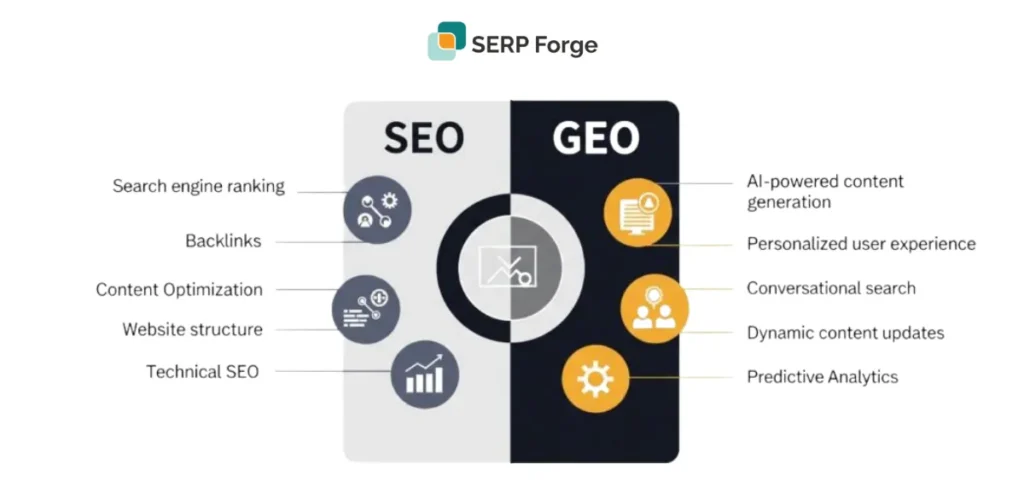
GEO and SEO are not competing strategies; they support each other. While SEO helps you win visibility on traditional search engines, GEO ensures your content gets included in AI-generated answers.
When both are combined, your brand becomes discoverable across every modern search touchpoint.
Complete Visibility Across Search Ecosystems
Today, people search in two parallel worlds:
1. Traditional Search Engines
Google, Bing, and Yahoo remain the primary destinations for product research, transactional queries, and local searches. These platforms rely on rankings, keywords, backlinks, and technical signals to determine which pages appear at the top.
2. AI-Driven Answer Engines
Platforms like ChatGPT, Perplexity, and Gemini answer questions directly. Instead of showing blue links, they summarize key points and choose content that is easy to extract, accurate, and trustworthy.
When you use SEO + GEO together, you get visibility in both environments:
- SEO ensures you appear in Google’s organic rankings.
- GEO makes your content more likely to be cited in AI-generated responses.
Example:
A business publishing a guide on “email automation” could rank on Google through SEO.
At the same time, if the content is structured clearly and includes verifiable facts, AI tools like Perplexity may pull snippets from it when users ask, “What are the best email automation tools?”
This dual approach gives you complete coverage across how users now search, whether they prefer browsing Google results or getting instant AI answers.
Combined Content Strategy
The strongest content strategies balance both SEO and GEO to capture traffic and brand exposure simultaneously.
For SEO:
Traditional search still rewards:
- Long-form, authoritative articles
- Strong keyword targeting
- Quality backlinks
- Technical optimization
These elements help Google index your content and understand its relevance.
For GEO:
AI tools prefer:
- Summaries at the top
- Clean structure with clear headings
- Verifiable facts, stats, and expert commentary
- Schema and structured data that help AI interpret context
By blending these two approaches, a single piece of content can perform exceptionally well in both ecosystems.
Example:
An article that starts with a short answer summary (GEO-friendly), followed by a detailed deep-dive (SEO-friendly), will perform better across both search models. AI systems can extract the summary easily, while Google rewards the in-depth structure and keyword relevance.
This hybrid style creates content that is readable, skimmable, and highly extractable, boosting visibility everywhere.
Balanced Traffic + Brand Exposure
SEO and GEO complement each other, each driving different types of visibility.
SEO Drives Traffic
Users click through to your website from Google search results.
This gives you:
- Direct website visits
- Better control over user journeys
- Higher conversion opportunities
- Long-term, compounding authority
GEO Drives Brand Presence
AI platforms highlight your brand inside the generated answers.
This delivers:
- Increased brand mentions
- More citations in AI summaries
- Higher perceived expertise
- Trust at the very first point of discovery
Example:
If someone asks ChatGPT, “What are the best tools for link building?” and your brand appears in the response, users remember the name. Later, when they search on Google and see your ranking page, they’re more likely to click because they’ve seen your brand before.
Together, SEO and GEO create a loop of visibility:
AI builds awareness → Google drives traffic → users trust you more → authority grows across both channels.
When your brand shows up both in AI answers and traditional search rankings, familiarity increases and familiarity often drives conversions.
Actionable GEO Best Practices (Examples Included)
These techniques help your content get cited inside AI-generated answers. The goal is to make your pages easy for AI models to read, extract, and trust.
1. Write Clear, Concise, Direct Information
AI models prefer content that is straightforward to interpret. Overly complex sentences or vague explanations reduce the chances of your content being selected for AI answers.
Example:
Complex:
“Generative optimization encompasses a broad array of considerations that enhance model interpretability.”
Clear:
“Generative Engine Optimization (GEO) helps AI tools easily interpret and use your content in their responses.”
Practical Action Steps
- Keep sentences short (12–18 words).
- Avoid jargon unless necessary.
- Use simple definitions before explaining tough concepts.
- Remove filler words that don’t add meaning.
2. Use Structured Formats
AI engines extract information more easily when your content is formatted cleanly. Lists, tables, headings, and FAQs help AIs quickly identify important points.
Example:
Use structured formats like:
- Lists (steps, benefits, features)
- Tables (comparisons, pros vs cons)
- FAQs (clear questions + concise answers)
- H2/H3 headings for clean sectioning
Practical Action Steps:
- Add summaries, bullet lists, or checklists after every major section.
- Use tables when comparing tools, prices, or pros/cons.
- Add 3–5 FAQs at the end of your article.
- Keep each section focused on one idea only.
3. Add Expert Insights and Firsthand Experience
AI tools prioritize content backed by experience and expertise because it improves accuracy and trust. Unique insights also make your content stand out from generic information online.
Example:
“Based on testing 12 GEO tools, the ones with the highest accuracy were…”
This type of firsthand comment increases credibility.
Practical Action Steps:
- Add small expert notes (“From our testing…”, “In real campaigns…”)
- Include case studies or examples from your professional experience.
- Use original data, opinions, or lessons learned.
- Offer actionable tips that aren’t found in competitor articles.
4. Cite Reputable Sources
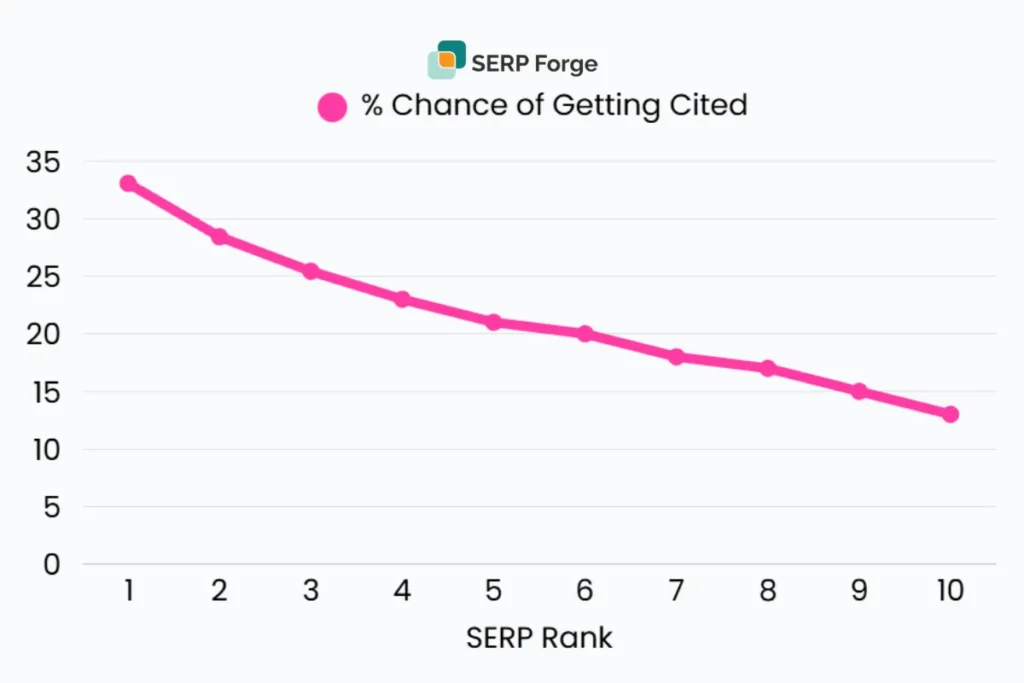
AI prefers content backed by strong references because it improves reliability. Citing trustworthy sources increases your chance of being quoted or referenced by AI models.
Example:
“In a 2024 Statista report, AI search usage increased by 34% year-over-year.”
Practical Action Steps:
- Link to reputable data sources: Statista, HubSpot, Gartner, Google Trends.
- Include 1–2 stats in each section.
- Keep citations clear and close to the statement.
- Use recent (1–2 years old) information to stay relevant.
5. Include Definitions and Short Summaries
AI models often extract concise sections like definitions, TL; DRs, or bullet summaries. Adding these strategically increases your inclusion in AI answers.
Example:
Short Definition:
“GEO (Generative Engine Optimization) is the practice of preparing your content so AI tools can understand, extract, and reference it.”
Practical Action Steps
- Add a 1–2 sentence summary at the top of each article.
- Use “In short,” “Simply put,” or “Definition” sections.
- Add TL;DR or Key Takeaways boxes in long content.
- Create mini-glossaries if your niche uses heavy terminology.
6. Publish Topical Clusters
Covering entire topics, not just single keywords, helps AI models understand your authority. This improves visibility across AI responses and enhances your digital footprint.
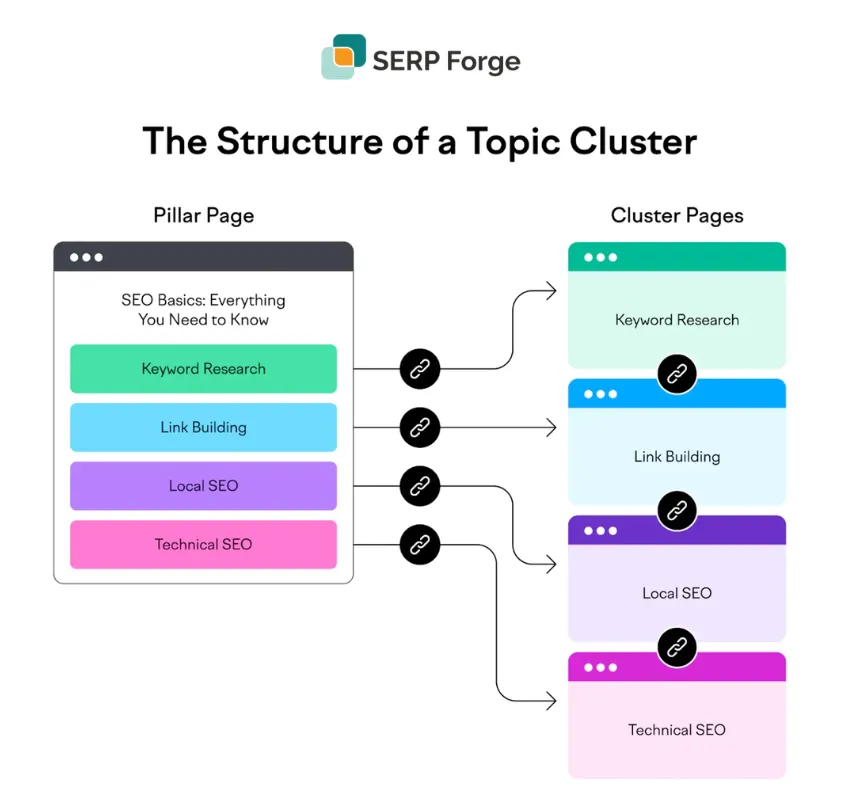
Example:
If your topic is GEO, your cluster might include:
- What is GEO?
- GEO vs SEO
- How AI search works
- Best GEO tools
- GEO checklist
- How to optimize content for ChatGPT
Practical Action Steps:
- Build topic hubs with 8–12 supporting articles around one main theme.
- Link all cluster articles internally.
- Add guides, checklists, FAQs, and examples.
- Update older content to maintain topical consistency.
Actionable SEO Best Practices (Examples Included)
These core practices help you build lasting visibility on Google. When done consistently, they improve rankings, traffic quality, and overall search performance.
1. Target Relevant Keywords
To rank on Google, you need to focus on keywords people actually search for. Using keyword clusters and search intent ensures your content aligns with what users want and how they phrase their queries.
Example:
If your main keyword is “email marketing tools,” your cluster may include:
- best email marketing platforms
- email automation tools
- free email marketing software
- How to choose an email marketing tool
Practical Action Steps:
- Use tools like Google Keyword Planner, Ahrefs, or Ubersuggest.
- Group keywords by intent: informational, commercial, transactional.
- Add variations naturally inside headings, intro, and body text.
- Create separate pages for each cluster instead of stuffing one keyword into a single article.
2. Build High-Quality Backlinks
Backlinks from trusted websites act as votes of confidence. Google uses these links to understand your authority and relevance within a niche, making them one of the strongest ranking signals.
Example:
If a well-known SaaS blog links to your guide on “CRM automation,” Google views your page as authoritative.
Practical Action Steps:
- Conduct SEO backlink research to identify authoritative domain links
- Pitch guest posts to niche-relevant websites.
- Use HARO or Qwoted to become a quoted expert.
- Create data-backed content (stats, reports) that naturally earns links.
- Replace broken links on other websites with your content (broken link building).
If you want consistent, high-authority backlinks from trusted SaaS and tech publishers, our link-building service can help you earn meaningful mentions that strengthen your overall search visibility.
3. Optimize Meta Tags and Headings
Strong meta titles, descriptions, and headings help search engines understand your content structure. They also improve user experience by making your content easy to skim.
Example:
Bad H1: Tools to Use
Optimized H1: Best Email Marketing Tools for Small Businesses (2026 Guide)
Practical Action Steps:
- Add your primary keyword in the H1 and meta title naturally.
- Use H2s and H3s to break the content into logical sections.
- Keep meta descriptions around 140–155 characters with a clear benefit.
- Avoid duplicate titles or headings across pages.
4. Improve Page Speed and Mobile Responsiveness
Slow-loading or poorly optimized websites create a bad user experience. Google rewards fast and mobile-friendly sites because they keep users engaged and reduce bounce rates.
The recent report finds that website speed is one of Google’s top 20 ranking factors. On average, a website loads its main page content in about 1.3 seconds.
Example:
A page that takes 4–5 seconds to load can lose 40%+ of visitors instantly.
Practical Action Steps
- Compress images using the WebP format.
- Remove unnecessary plugins and scripts.
- Use a CDN (Cloudflare, AWS CloudFront).
- Test your site with PageSpeed Insights and fix flagged issues.
- Use responsive layouts that scale well on all devices.
5. Create Long-Form, Comprehensive Articles
Detailed, well-structured long-form content signals expertise and helps you cover a topic thoroughly. Google prefers content that fully answers user questions in one place.
Example:
A 2,500-word article titled “Complete Guide to Content Repurposing” that includes:
- Step-by-step methods
- Tools
- Templates
- FAQs
- Real examples
…will outrank a short 600-word summary.
Practical Action Steps
- Aim for 1,500–2,500 words for competitive topics.
- Include visuals, examples, FAQs, and internal links.
- Cover subtopics like:
- What it is
- Why it matters
- How to do it
- Best practices
- Mistakes to avoid
- Ensure the article is easy to skim with headings and bullet points.
If creating deep, high-performing long-form content feels overwhelming, our content marketing team can help you plan, write, and optimize articles that rank and convert.
6. Strengthen Internal Linking
Internal links help Google understand your site hierarchy and guide users to related content. They also help distribute authority across your pages, improving rankings sitewide.
According to Google’s guidelines, the link architecture of your site’s internal linking structure is a key part of site design.
A strong internal linking system helps Googlebot discover and index your pages more efficiently, while also making it easier for visitors to navigate and enjoy your website.
Example:
A “Guide to SEO Audits” should internally link to:
- Keyword research tutorial
- Technical SEO checklist
- Backlink building guide
This helps both users and search crawlers discover related content.
Practical Action Steps:
- Add 3–5 internal links per blog post.
- Use descriptive anchor text (e.g., “SEO audit checklist” instead of “click here”).
- Build hub pages for major topics and link sub-pages to them (topic clusters).
- Regularly audit your site and update older posts with new internal links.
In short, strong internal linking helps Google understand your site structure and boosts rankings across your pages. Add relevant links, use clear anchor text, and keep your content connected through hubs and clusters.
Conclusion
The way people search is evolving, and so are the strategies brands need to stay visible. SEO and GEO may look different on the surface; one focuses on ranking webpages in Google, while the other ensures your content appears inside AI-generated answers, but together, they create a complete visibility strategy.
SEO helps you earn traffic, authority, and long-term rankings.
GEO helps your brand show up in the fast-growing world of AI-driven search.
The future isn’t choosing one or the other. It’s a hybrid model where SEO brings users to your website, and GEO ensures your expertise is recognized by AI tools that millions rely on every day.
Now is the time to embrace both SEO and GEO to build a stronger, smarter, and future-ready search presence.
If you’re looking to strengthen your online visibility further, our link-building service can help you build authority, earn trusted mentions, and boost your rankings. Contact us to get started.
SEO vs GEO FAQs
How is AI search changing the way users discover brands?
AI tools like ChatGPT, Perplexity, and Gemini now give direct answers without requiring users to click through to websites. This means brands must optimize content for both traditional search engines (SEO) and AI-generated answers (GEO) to stay discoverable.
Can GEO replace traditional SEO in the future?
No. GEO improves your visibility inside AI-generated answers, while SEO drives long-term organic traffic to your website. Both work together GEO boosts brand presence, and SEO ensures you win clicks, conversions, and direct audience ownership.
Why do AI models cite some websites and ignore others?
AI tools prefer content that is structured, factual, and easy to interpret. Pages that use clear summaries, clean formatting, data-backed insights, and strong E-E-A-T signals are more likely to be included in AI-generated responses.
How long does it take to see results from GEO optimization?
GEO visibility can improve faster than traditional SEO because AI tools frequently update their training data and retrieval methods. Brands often start seeing increased mentions or citations in a few weeks, while SEO improvements may take several months.
What type of content performs best for both SEO and GEO?
Answer-first articles, structured guides, comparison pages, FAQs, and data-backed content perform well across both ecosystems. These formats help AI models extract accurate information and help Google understand topic depth, increasing overall visibility.

